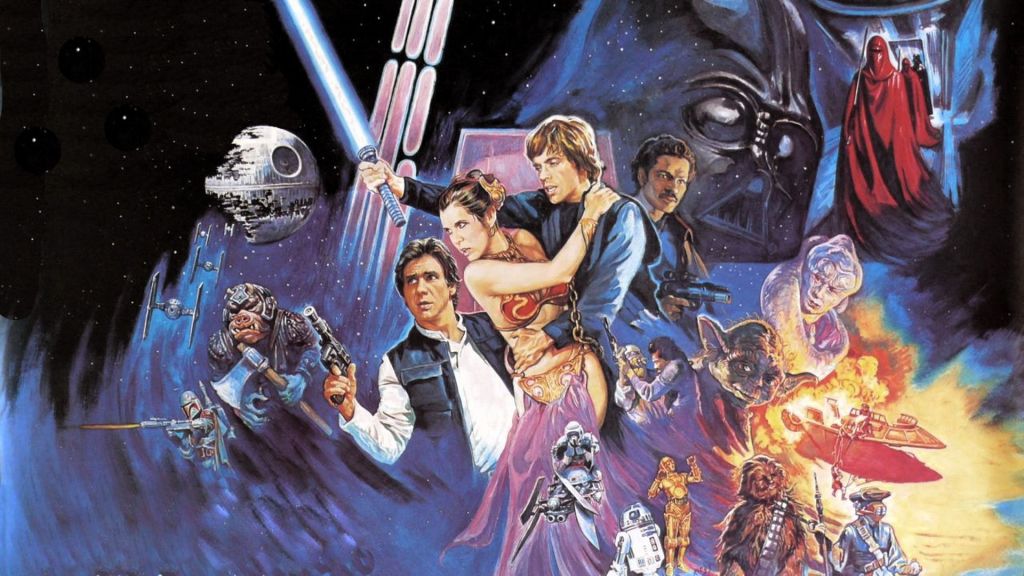
Return to Endor
When it comes to ranking the Star Wars films, there’s a common consensus that The Empire Strikes Back often tops the list. Its darker tone, emotional depth, and character development make it a fan favorite. However, for me, Return of the Jedi holds a special place. While Empire offers a more mature take on the space opera, Return of the Jedi encapsulates everything that made Star Wars the cultural phenomenon it became—alien creatures, exotic locales, fast-paced action, and an emotional family drama. It has all the elements that turned Star Wars into an iconic adventure for generations, making it the most quintessential installment in the saga.
Plot Overview
A year after the events of The Empire Strikes Back, the Rebel Alliance continues its fight against the Galactic Empire. The story kicks off with the daring rescue of Han Solo from Jabba the Hutt, before shifting to the Rebel’s mission to destroy the Empire’s second Death Star. Meanwhile, Luke Skywalker confronts his father, Darth Vader, in a final effort to redeem him from the dark side, while the Emperor attempts to seduce Luke into replacing Vader as his apprentice. The film concludes with the climactic Battle of Endor, where a combined effort from the Rebels and the Ewoks leads to the Empire’s downfall, and Vader’s ultimate redemption.
Production History
The road to Return of the Jedi was not without its challenges. After Empire, George Lucas needed a new director, as Irvin Kershner had opted not to return. Several big names, including Steven Spielberg, David Lynch, and David Cronenberg, were considered before Richard Marquand took the helm. Despite Marquand’s relative inexperience with special effects, Lucas remained closely involved throughout the production, acting as a guiding force.
The film’s budget, supported by Lucas’s own finances from Empire and Star Wars merchandise sales, allowed for cutting-edge production design and special effects. From the dense, forested world of Endor to the slimy, decadent interiors of Jabba’s Palace, the visual elements of Return of the Jedi are as iconic as anything else in the trilogy.
Now, let’s break down why Return of the Jedi is not just a great film, but the best Star Wars movie of all.
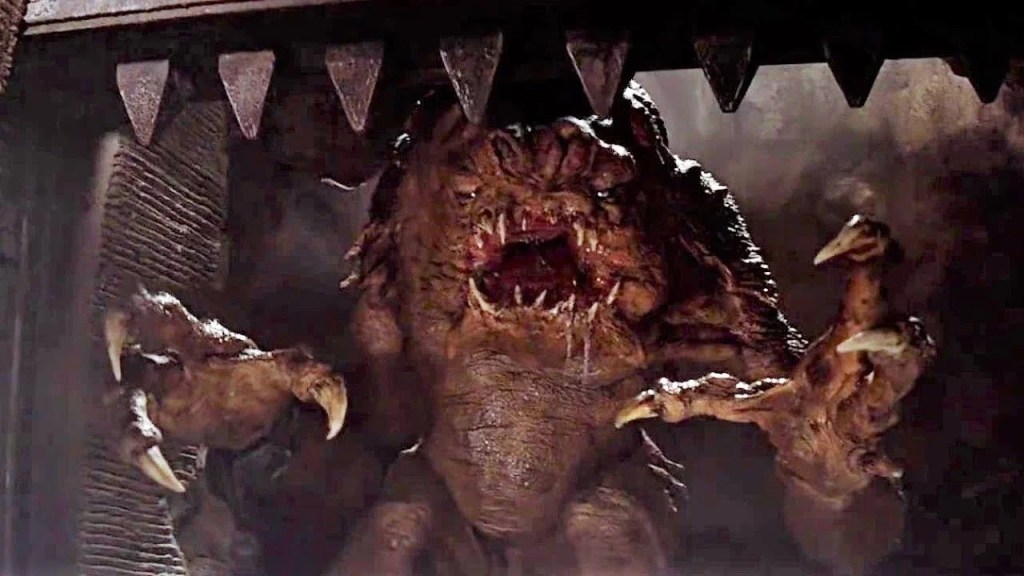
Jabba’s Palace: Peak Star Wars
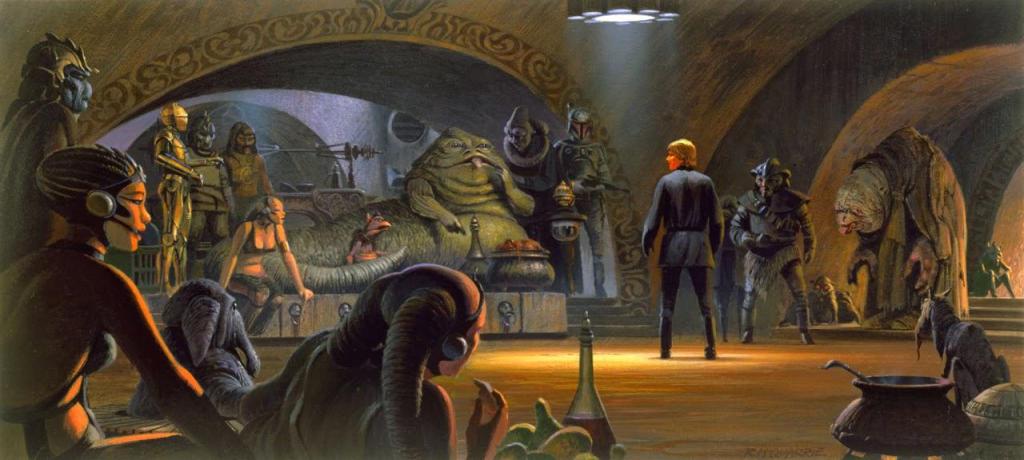
The opening act in Jabba’s Palace is a celebration of everything that makes Star Wars great. From the moment we enter Jabba’s lair on Tatooine, we are immersed in a world of strange alien creatures, atmospheric design, and pulpy, adventurous action. This sequence recalls the swashbuckling energy of old pirate films, like Captain Blood, while paying homage to the pulp origins of Star Wars—stories inspired by authors like Edgar Rice Burroughs.
Princess Leia, disguised as a bounty hunter, channels major Dejah Thoris vibes from Burroughs’ A Princess of Mars, especially when she’s seen in that iconic golden outfit. The creature design—from Jabba the Hutt himself to his band of criminals—is immersive and imaginative, showcasing the attention to detail that defined the franchise’s world-building.
The action here is relentless. We move from one failed rescue attempt to another, culminating in Luke’s pit fight against the Rancor, followed by the explosive skirmish aboard Jabba’s sail barge. This is Star Wars at its most adventurous, hearkening back to classic serials like Flash Gordon, but with the added benefit of groundbreaking effects and a much bigger budget.
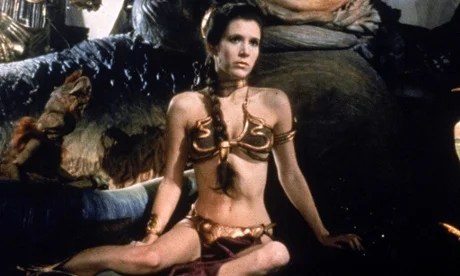
Princess Leia: A Leader, A Warrior
Leia’s role in Return of the Jedi cements her place as one of cinema’s great heroines. After freeing Han Solo, she transitions from a diplomatic leader of the Rebellion to a more personal role as Luke’s sister and a key figure in the battle against the Empire. Her fierce independence and leadership are on full display, and she’s given one of her most iconic moments when she strangles Jabba with her chains, a powerful metaphor for breaking the shackles of oppression.
Leia’s journey isn’t just about her actions, but also her personal growth. She discovers her family heritage, embraces her role as Luke’s sister, and faces the responsibility of carrying the Skywalker legacy.
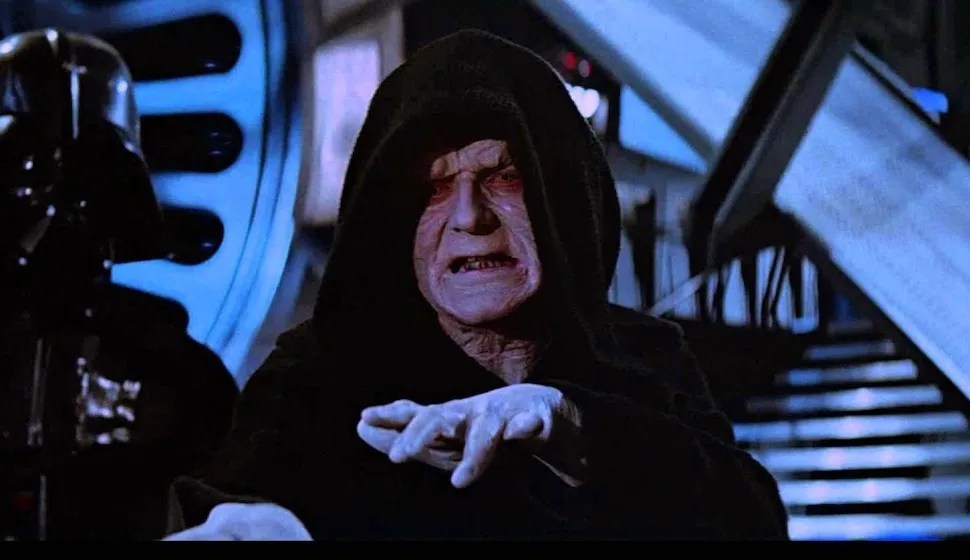
The Emperor: Villainy at its Finest
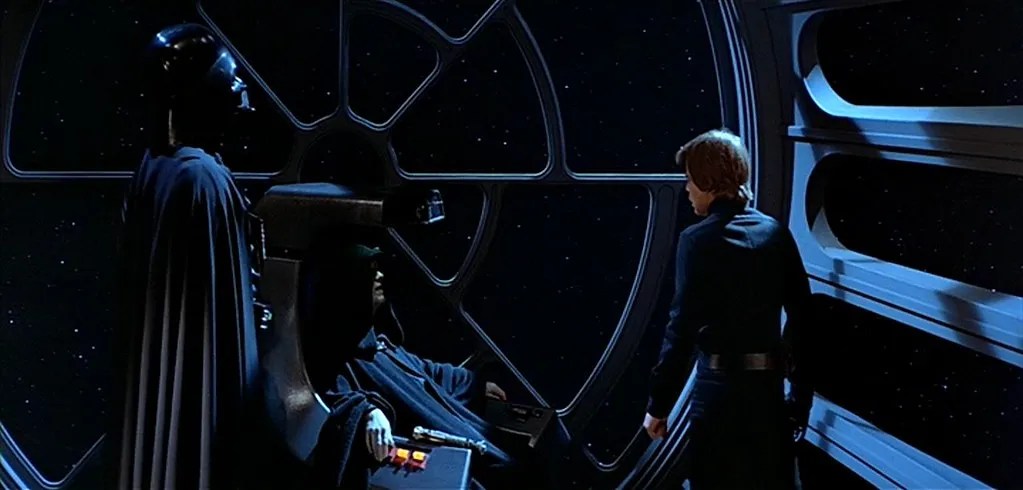
Ian McDiarmid’s Emperor Palpatine is the perfect antagonist. His chilling performance adds a layer of malevolent sophistication, as he manipulates both Luke and Vader to serve his ambitions. His role as the ultimate puppet master in the saga comes to a head in Return of the Jedi, where he almost succeeds in turning Luke to the dark side.
What makes the Emperor so compelling in this film is his patience and his sadistic pleasure in pitting father against son. He represents not just evil, but the seductive pull of power and corruption, and his final confrontation with Luke and Vader is the emotional crux of the film.
Luke and Darth Vader: A Powerful Redemption Story
At the heart of Return of the Jedi is the father-son dynamic between Luke Skywalker and Darth Vader. This is no ordinary lightsaber duel; it’s a battle for the soul of Anakin Skywalker. Luke’s refusal to kill his father and his ultimate act of mercy shifts the story away from traditional action-movie tropes. Instead, we witness a deeply personal journey of redemption, as Vader is saved from the dark side in his final moments.
This subversion of expectations—choosing redemption over revenge—is what gives the film its emotional depth. It’s not just about defeating the Empire, but about saving the people we love from their worst selves.
The Ewoks: Underdogs with Heart
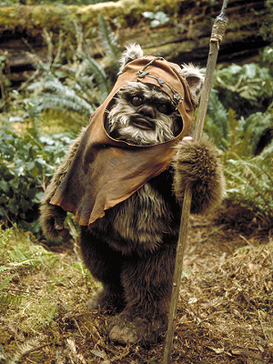
No discussion of Return of the Jedi would be complete without addressing the Ewoks. These small, furry creatures have been divisive among fans, but they play a crucial role in the film’s themes of rebellion and unity. Critics often overlook the fact that the Ewoks’ victory over the technologically superior Empire reflects historical examples of guerrilla warfare, where smaller, less advanced groups have triumphed over more powerful invaders—parallels to Vietnam and Afghanistan are hard to ignore.
As a child, the Ewoks were endlessly entertaining, and their playful yet brave spirit is part of the film’s charm. They are a reminder that Star Wars has always been, at its heart, for children and for the child within all of us.
The Final Battle: Spectacle and Stakes
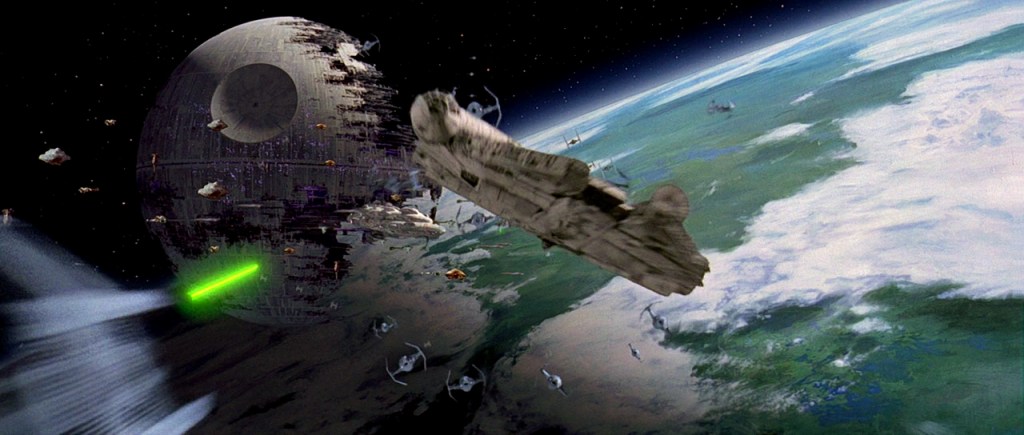
The climactic battle in Return of the Jedi is one of the most thrilling sequences in the entire saga. On the forest moon of Endor, the ground battle between the Ewoks and the Empire’s forces is fast-paced and inventive. Meanwhile, the space battle above the Death Star is a visual spectacle, with Lando leading the charge as the Rebels take on the Empire’s fleet.
What makes this battle stand out is the emotional weight behind it. As Luke confronts the Emperor and Vader, the fate of the galaxy rests not just on his actions, but on his ability to save his father. The destruction of the second Death Star, a powerful allegory for the nuclear arms race, signals a hope for a future free from the threat of such devastating power.
Conclusion: Why Return of the Jedi Is the Best
While The Empire Strikes Back might be considered the most sophisticated entry in the series, Return of the Jedi has the heart, action, and iconic moments that define Star Wars. From the thrilling action at Jabba’s Palace to the emotional resolution of Luke and Vader’s story, the film brings the original trilogy to a deeply satisfying conclusion.
For me, Return of the Jedi represents what Star Wars is all about: adventure, imagination, and the belief that even in the darkest times, redemption and hope can prevail. It’s a film that reminds us, as adults, to reconnect with the wonder and excitement of our childhoods and invites us, like Peter Pan, to return to Neverland and experience the magic of the galaxy far, far away.
 Fantasy : Swords and Sorcery