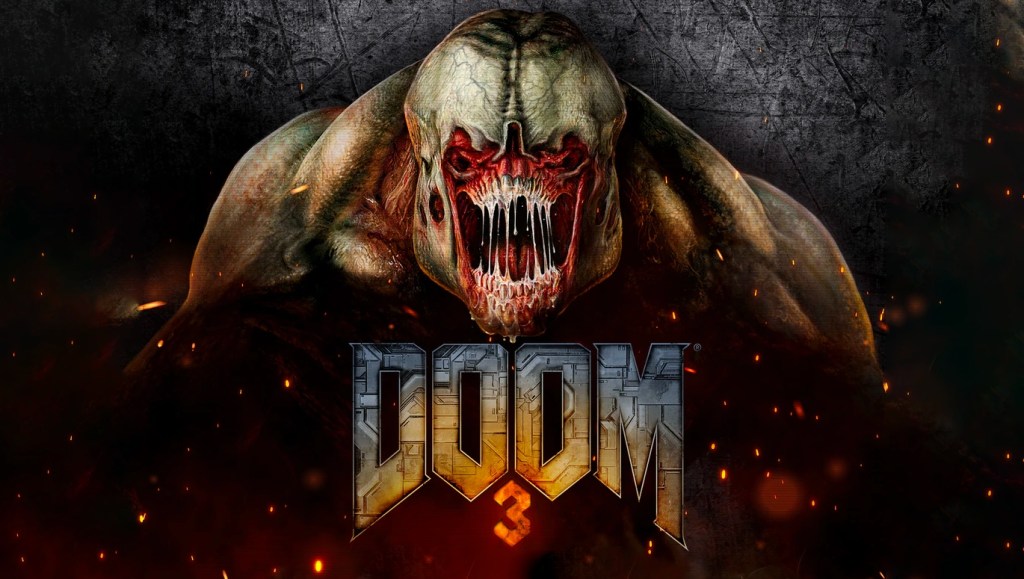
Get your arse to Mars!
Release Year: 2004
Platforms: Microsoft Windows, Linux, Mac OS X, Xbox
Developers: id Software
Publishers: Activision
In 2004, id Software made a bold move by reimagining their iconic Doom series with Doom 3, a game that took a sharp turn from the frantic, fast-paced action of its predecessors and ventured into the realm of survival horror. Set in the year 2145 on a UAC research facility on Mars, the game introduces players to a world where science has gone too far, and a teleportation experiment has opened a gateway to Hell. The result is a catastrophic demonic invasion that leaves the player—a lone space marine—fighting for survival against horrific creatures in a terrifying, claustrophobic environment.
Unlike the original Doom games, which focused on high-octane, run-and-gun gameplay, Doom 3 emphasizes atmosphere, tension, and narrative. This shift divided fans but also introduced a new generation of players to a different style of horror-laced first-person shooting.

WHY I LOVE THIS GAME
Every gamer has that one title that feels like it was designed just for them—a game that hits all the right notes in terms of mechanics, atmosphere, and immersion. For me, Doom 3 is that game. It offers a balance of slow-burn tension and explosive action that I find irresistible. Unlike many die-hard Doom fans who preferred the relentless, frenetic pace of the original games, I fully embraced the change in direction that Doom 3 offered.
What stands out to me is how well Doom 3 delivers a haunted-house-in-space experience. The game doesn’t just rely on waves of enemies to keep you engaged; instead, it masterfully builds tension through the use of shadows, environmental design, and audio cues. The game is full of moments where you find yourself hesitating before turning a corner or entering a darkened room, flashlight in hand, dreading what might jump out at you. Jump scares are a common but effective tool here, and while some may find them predictable, I think they’re perfectly timed to keep you on edge without feeling cheap or overused.
It’s this deliberate pacing and constant sense of dread that keeps me coming back to Doom 3. The decision to limit resources—health, ammunition, and armor—adds another layer of survival mechanics that keeps the game engaging. You’re always calculating whether or not to use your last medkit or save it for the next encounter, unsure if you’re about to face a simple zombie or a towering hellspawn. This element of resource management, combined with the game’s claustrophobic setting, sets Doom 3 apart from the fast-paced, ammo-heavy shooters of its time.
Gameplay and Mechanics:
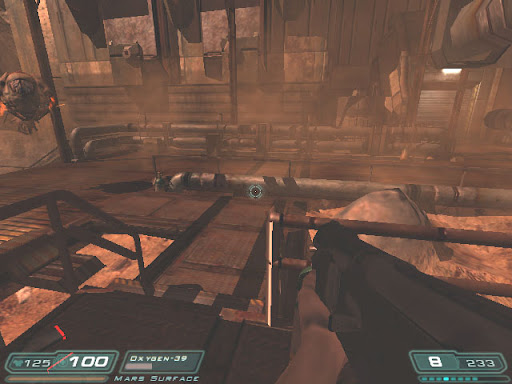
At its core, Doom 3 maintains the DNA of a first-person shooter but with several key differences. The slower pace and more methodical gameplay encourage players to take their time, explore the environment, and prepare for whatever might lurk around the next corner. The flashlight mechanic—a design choice that forces players to choose between seeing what’s coming or having a weapon ready—remains one of the most controversial but effective features in the game. For some, it was frustrating to be caught off-guard, while others, like myself, saw it as a brilliant way to heighten the sense of vulnerability.
In combat, the game arms you with a mix of conventional weapons like the shotgun, submachine gun, and the iconic BFG 9000. The action is punctuated by moments of intense firefights, where you’re facing down a horde of demons or zombified soldiers. But unlike the original Doom games, where the pace rarely lets up, Doom 3 mixes combat with exploration, giving you moments of respite that are just as tense as the battles.
One of my favorite features is the PDA system. Scattered throughout the game, PDAs from fallen employees provide not only security clearances but also audio logs and emails that flesh out the backstory of the Mars facility and its ill-fated experiments. These logs serve as a form of environmental storytelling, and while they may not seem essential, they add a depth to the narrative that makes the horror more personal. You’re not just fighting faceless enemies; you’re uncovering the downfall of an entire installation and the madness that consumed it.

Graphics and Technical Achievements:
In 2004, Doom 3 was at the cutting edge of graphical technology. Powered by id Tech 4, the game set a new standard for lighting and shadow effects, creating a world that felt eerily realistic and oppressive. Every flickering light, every shadow cast by a demon lurking just out of sight, contributes to the sense of unease that permeates the game.
Even today, almost two decades later, Doom 3 holds up remarkably well. The art direction, while limited by the technology of its time, still manages to convey a sense of scale and foreboding. The environments, though often tight and claustrophobic, feel lived-in and believable, from the industrial Mars City complex to the ominous Delta Labs.
But it wasn’t just the visuals that stood out. The game’s sound design plays an equally crucial role in establishing its atmosphere. From the ambient hum of machinery to the distant cries of tormented souls, every sound in Doom 3 serves to immerse you deeper into its world. The unsettling noises that echo through the empty halls—creaks, footsteps, whispers—are often more terrifying than the enemies themselves.
Story and Atmosphere:
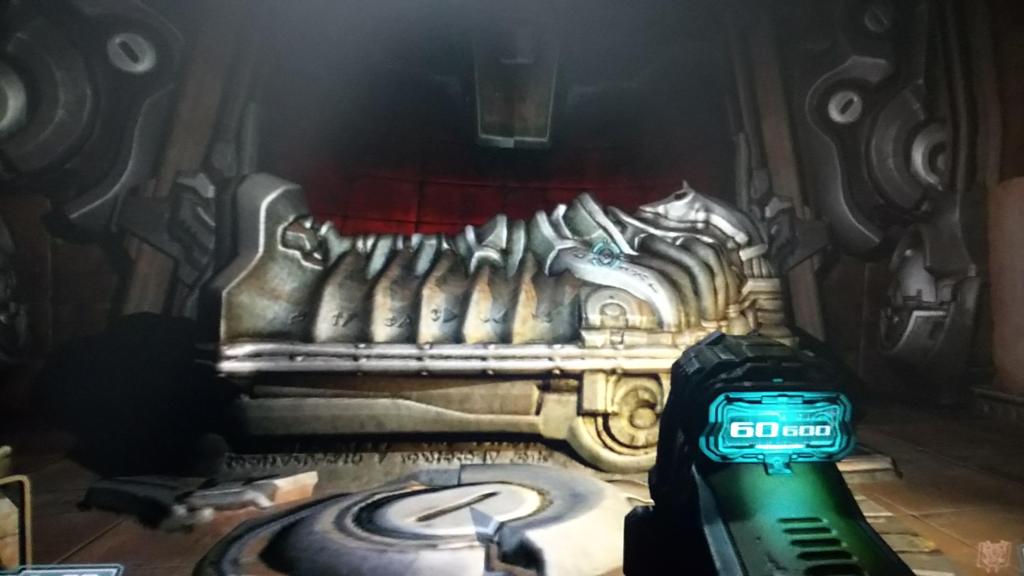
The story in Doom 3 isn’t overly complex, but it’s enough to drive the gameplay forward and keep the player invested. At its heart, the game is about a corporation overreaching in its pursuit of scientific advancement and accidentally unleashing Hell. The narrative is mostly delivered through the aforementioned PDAs and through NPC interactions, making it more passive than interactive, but it works well within the context of the game.
The horror in Doom 3 is as much psychological as it is physical. The game’s environments evoke a sense of isolation and dread. You’re not just fighting demons; you’re alone in a massive, desolate facility, cut off from any real hope of rescue. This sense of isolation is reminiscent of classic sci-fi horror films like Alien, and combined with the demonic elements, it plays out like a cross between Alien and Evil Dead.

The Legacy and Influence of Doom 3:
Doom 3 marked a major departure for the franchise, and while it divided fans, its influence on the industry is undeniable. By blending the fast-paced action of a first-person shooter with the slower, more deliberate tension of survival horror, Doom 3 laid the groundwork for future space-themed horror games like Dead Space and Prey. Its use of limited lighting, atmospheric audio, and environmental storytelling set new standards for immersive game design.
While the 2016 Doom reboot and its sequel, Doom Eternal, brought the series back to its roots with faster gameplay and an emphasis on raw action, Doom 3 remains a unique entry in the franchise. It showed that Doom could be more than just a relentless shooter; it could also deliver a story-driven, atmospheric experience that gets under your skin in ways the original games never did.
Final Thoughts:
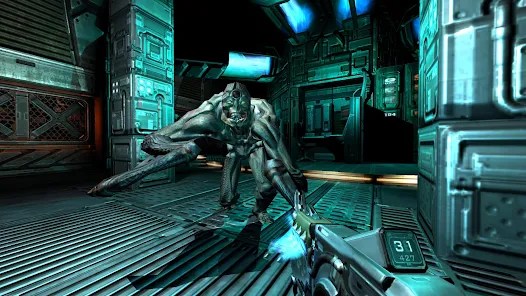
Even after almost two decades, Doom 3 remains a game that I hold close to my heart. Its mix of survival horror, tight gunplay, and immersive storytelling makes it a rare gem, one that I return to time and time again. While it may not have the breakneck pace of its successors, it offers something far more nuanced—a chance to lose yourself in a dark, terrifying world where every corner hides a new horror.
I still hope that one day we’ll get another Doom game that leans back into the horror genre, but considering the massive success of Doom (2016) and Doom Eternal, it seems like Doom 3 might remain a one-off experiment. And maybe that’s for the best—sometimes, a singular experience is all you need.
For anyone who hasn’t played Doom 3 yet, it’s still worth picking up, especially the BFG Edition with its modern enhancements. The game remains an unforgettable journey into the dark side of Mars and the demonic horrors lurking beneath the surface.
 Fantasy : Swords and Sorcery