Synopsis
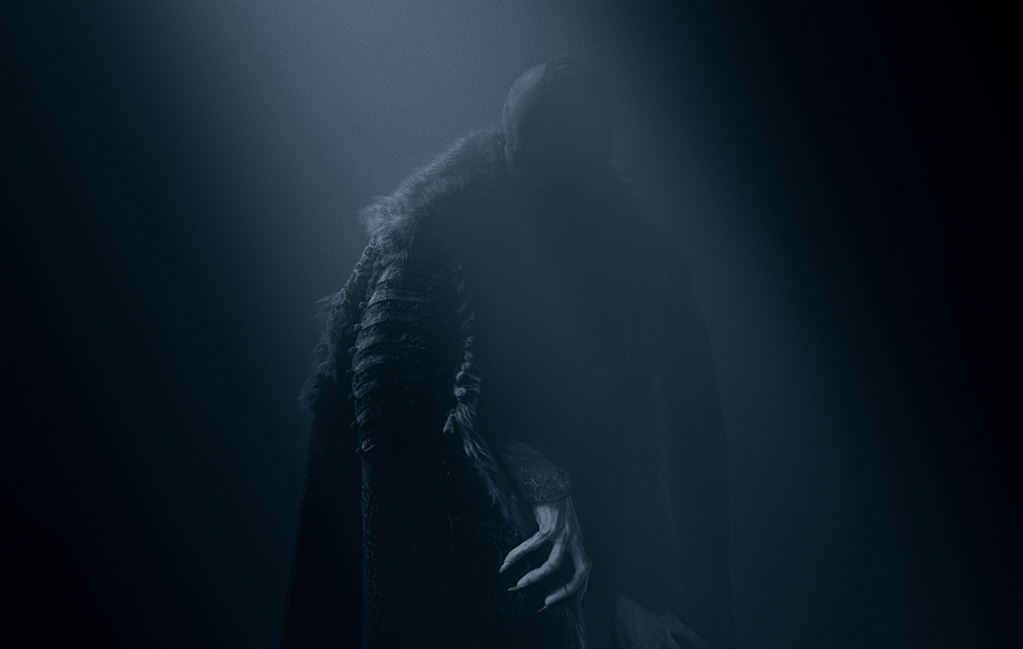
Robert Eggers’ Nosferatu retells the chilling tale of Count Orlok, a sinister vampire whose malevolent presence haunts the town of Wisborg. Set in 19th-century Germany, the film follows Thomas Hutter, a well-meaning solicitor, and his wife, Ellen, as they become ensnared in Orlok’s dark and deadly web. With themes of love, betrayal, and sacrifice, Eggers infuses the classic horror story with psychological depth and atmospheric dread, creating a harrowing exploration of humanity’s fascination with the macabre.
Cast and Characters

Bill Skarsgård delivers a mesmerizing performance as Count Orlok, capturing both his monstrous nature and tragic existence. Nicholas Hoult and Lily-Rose Depp bring emotional weight to Thomas and Ellen Hutter, portraying a couple whose love is tested by supernatural forces. Willem Dafoe, as the enigmatic Von Franz, adds intellectual gravitas to the narrative, while Aaron Taylor-Johnson and Emma Corrin bring layered performances as the Hardings, who ground the story in human vulnerability. The supporting cast, including Ralph Ineson as Dr. Sievers and Simon McBurney as Herr Knock, flesh out the world with compelling subplots that enhance the film’s rich atmosphere.
Production Insights
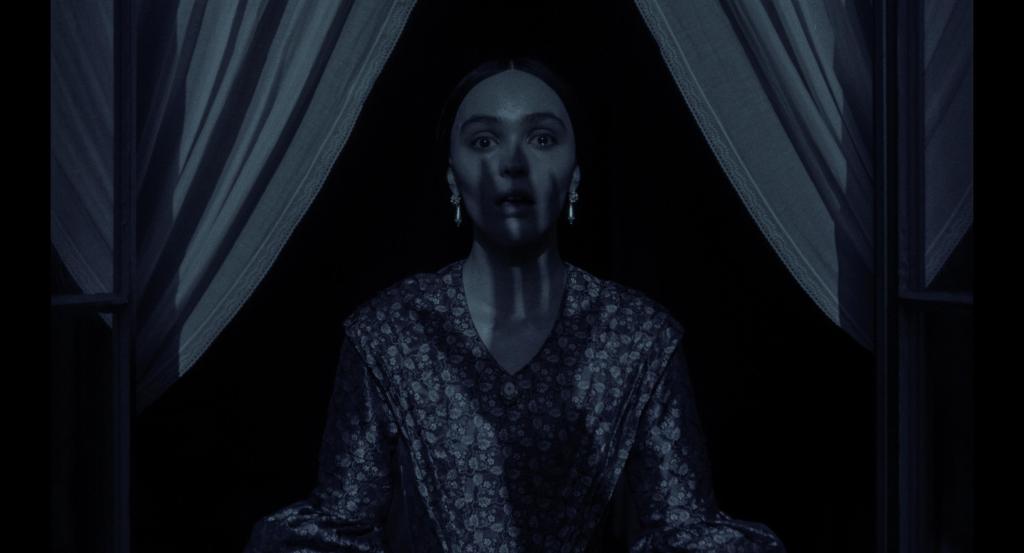
The film’s production is a testament to Eggers’ meticulous craftsmanship. Filmed at Barrandov Studios in Prague, the haunting locations and period-accurate sets evoke an immersive gothic ambiance. Eggers’ decision to delve into authentic 19th-century lore and use a reconstructed Dacian language for Orlok’s dialogue exemplifies his commitment to historical and cultural authenticity. The script draws from multiple inspirations, blending Bram Stoker’s Dracula, F. W. Murnau’s 1922 classic, and Eggers’ own interpretation of vampire mythology.
Personal Thoughts
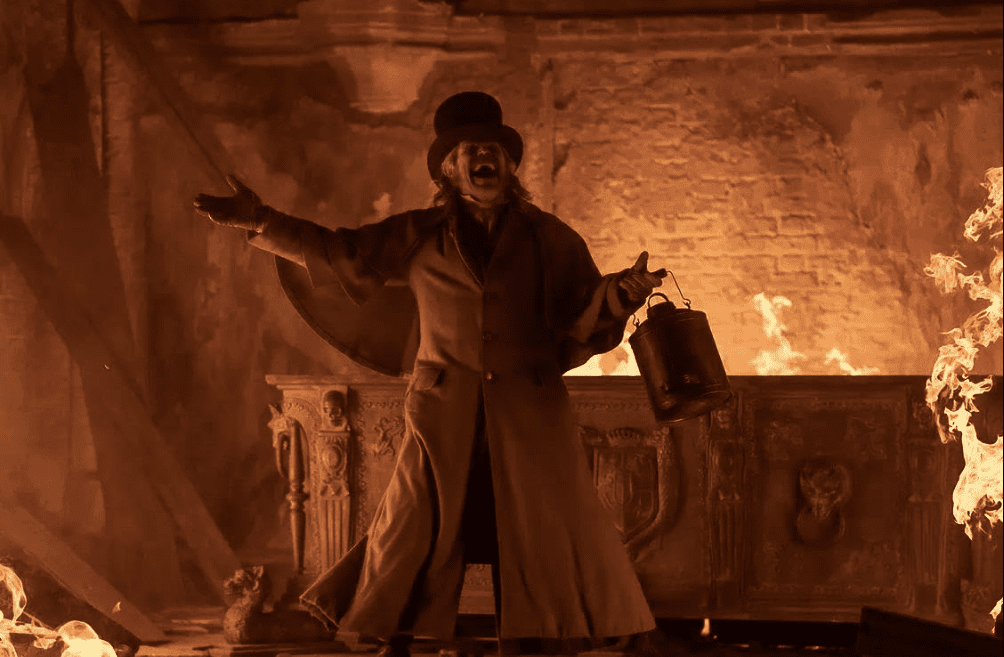
Nosferatu was everything I wanted in a vampire movie—a period piece with stunning production design and artistic direction. The performances were outstanding, and Eggers’ fresh revamp of the vampire’s look was particularly effective. This version of Orlok, depicted as a rotting undead corpse rather than the seductive aristocrat of many Dracula adaptations, was both unsettling and memorable.
The film felt like a modern, big-budget homage to the old Hammer horror movies, leaning heavily into gothic aesthetics and old-school scares. While the movie is gory and sexually explicit, Eggers employs tasteful restraint by often cutting away from the violence, leaving the audience to fill in the horror with their imagination. The disturbing images and quick cutaways were artfully done, adding to the film’s haunting quality.
From the first frame to the last, Nosferatu is drenched in atmosphere and style, and its lingering imagery reminded me of Francis Ford Coppola’s 1992 Dracula. However, this adaptation diverges by streamlining the plot and focusing on a morbid romance that drives the story, which felt more like a darker retelling of Coppola’s adaptation than a direct remake of Murnau’s silent classic.
While Eggers’ adaptation improves upon Werner Herzog’s Nosferatu in terms of dialogue and character development, I did find myself wishing for a deeper exploration of the black magic, occult, and supernatural elements teased in the story. A higher kill count or more intense sequences of Orlok stalking his victims would have elevated the horror. Though Orlok as a necromancer is a great monster, the romantic and sexual elements sometimes diluted the sense of dread, particularly after the eerie castle scenes.
For cinephiles and fans of gothic storytelling, Nosferatu is an instant classic. Its slow build and deliberate pacing may not appeal to action-horror fans or gore hounds, but those who appreciate atmospheric horror and meticulous craftsmanship will find much to admire. While it doesn’t reach the shock or creepiness of figures like Freddy Kruger or Pennywise, Orlok remains an iconic addition to the pantheon of horror monsters.
Conclusion
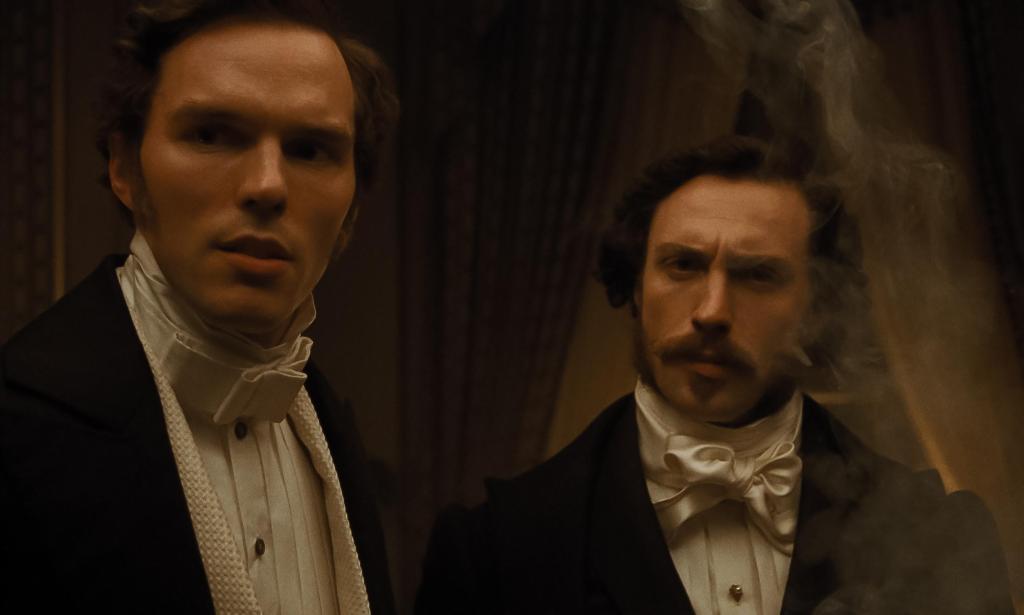
Eggers’ Nosferatu is a masterful reimagining of a century-old tale, offering a blend of gothic horror, melodrama, and modern filmmaking that honors its source material while carving its own unique identity. It is a cinematic feast for genre enthusiasts and a testament to the enduring power of vampire mythology.
 Fantasy : Swords and Sorcery