
The Fantasy Epic That Redefined fantasy
Game of Thrones, the HBO adaptation of George R.R. Martin’s A Song of Ice and Fire series, premiered in 2011 and concluded in 2019. Spanning eight seasons, it brought the complex and often brutal world of Westeros to life. From its unpredictable character arcs to its jaw-dropping spectacle, the show captured the imagination of audiences worldwide and redefined what was possible for fantasy on television. While its final seasons sparked debate, there’s no denying the cultural impact Game of Thrones left behind.

HBO’s Bold Move into Fantasy
I was a longtime fan of HBO’s storytelling approach, especially with shows like The Sopranos and Deadwood. Both were character-driven dramas wrapped in mainstream genres—gangster stories and westerns—yet each show delved deeply into the motivations, fears, and desires of its characters. These were not just stories about crime or the Wild West; they were intricate character studies that made you care about the people at their heart.
When HBO announced they were applying this formula to fantasy with Game of Thrones, I was skeptical. The casting of Sean Bean and early production photos made the show look like a Lord of the Rings clone. And could a TV series even capture the scope of an epic fantasy, given the high bar set by Peter Jackson’s Lord of the Rings films? What could this adaptation of an obscure fantasy series possibly bring to the table that hadn’t already been covered by Tolkien’s works?
As it turned out, quite a lot.

A Unique Blend of Fantasy, History, and Sword & Sorcery
From the very first season, Game of Thrones exceeded my expectations and subverted my assumptions. George R.R. Martin’s deep knowledge of history, particularly the Middle Ages, combined with his love of classic fantasy, created a world that felt both fantastical and grounded. It drew on the gritty realism of historical conflicts like the Wars of the Roses but infused it with dragons, magic, and mythical creatures.
Martin’s influences are vast and eclectic, pulling from a wide array of literary sources. Jack Vance’s Lyonesse novels clearly influenced Martin’s intricate political maneuvering and use of magic as a subtle, rare force. Robert E. Howard’s Conan stories provided the brutal, sword-and-sorcery elements—combat, violence, and raw power struggles—that grounded the action. And, of course, the shadow of J.R.R. Tolkien looms large, particularly in Martin’s world-building and epic scope.
What I found even more fascinating were the parallels to Frank Herbert’s Dune. Eddard Stark’s ill-fated acceptance of the role of King’s Hand mirrored Duke Leto’s doomed governorship of Arrakis, while Jon Snow’s journey to the Wall and interactions with the Wildlings echoed Paul Atreides’ initiation into the Fremen. Despite these influences, Game of Thrones stood as a unique work in its own right, breathing new life into the fantasy genre and taking it in exciting directions.

From Political Intrigue to Epic Fantasy
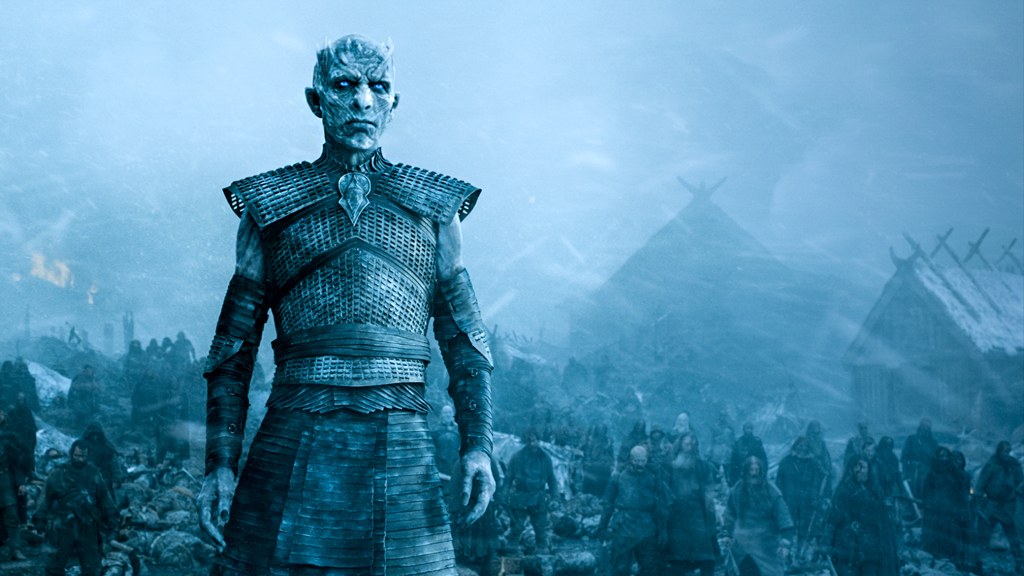
The series started as low-fantasy, focusing on political intrigue, betrayal, and the maneuvering of noble families in a grounded, almost historical setting. For much of the first few seasons, Game of Thrones felt more like a historical drama than a traditional fantasy series. But as the budget increased and the show gained momentum, fantastical elements—dragons, undead armies, giants, witches—slowly crept into the narrative, expanding the scope and spectacle.
The first season centers on the aftermath of King Robert Baratheon’s death, setting off a power vacuum that sees several families vying for control of the Iron Throne. Chief among them are the Starks of Winterfell, the honorable Northern family who are thrown into chaos and dispersed across the land of Westeros. The Lannisters, with the exception of Tyrion, emerge as the primary antagonists, with Cersei’s ruthless ambitions and her deranged son Joffrey fanning the flames of conflict.
Meanwhile, across the sea, Daenerys Targaryen, the last of a deposed dynasty, slowly builds her power base, first with the Dothraki and later with her growing dragons. Initially, her story feels almost tangential to the main plot, but as the seasons progress, Daenerys’s rise becomes central to the narrative.
What truly set Game of Thrones apart was its ability to weave multiple, sprawling storylines together in a way that felt organic. From Jon Snow’s journey with the Night’s Watch to Arya’s vengeance-fueled transformation, the show gave its characters room to breathe and evolve over time.
Characters Who Defined the Show
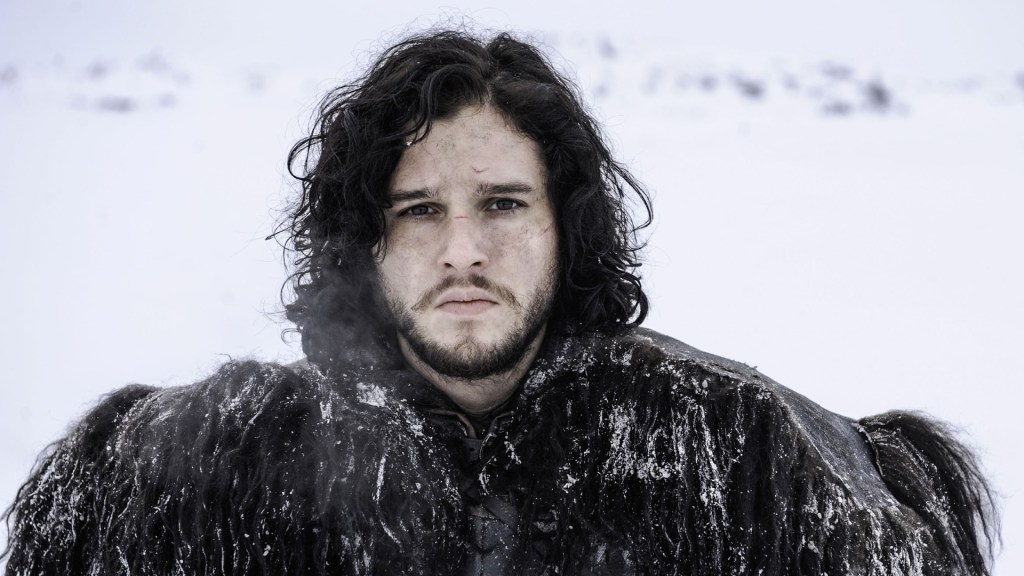
The characters are at the heart of Game of Thrones, and it’s their arcs that resonated with me most. Jon Snow, the so-called “bastard” of the Stark family, is one of the show’s most compelling characters. His arc—filled with themes of shame, guilt, and redemption—draws the audience in as he grows into a leader and ultimately learns the truth about his complex origins.
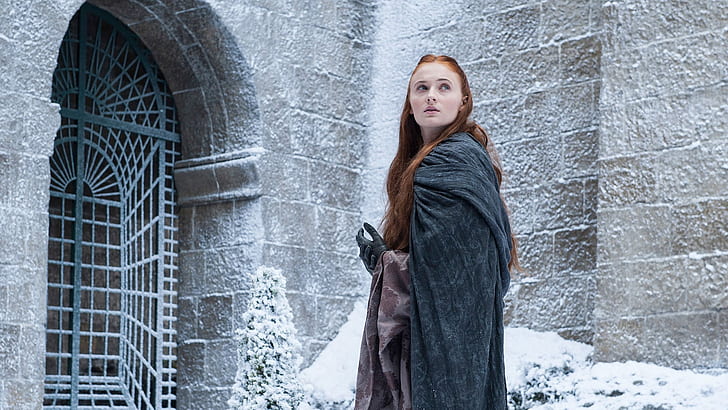
Arya Stark, the youngest daughter, is another favorite. Her transformation from a headstrong girl into a trained assassin is one of the show’s most satisfying arcs, as is Sansa Stark’s evolution from a naive young woman to a cunning and powerful ruler. Sansa’s journey in particular, full of suffering and hardship, reminded me of Mary, Queen of Scots—a victim of circumstance who ultimately took control of her destiny.
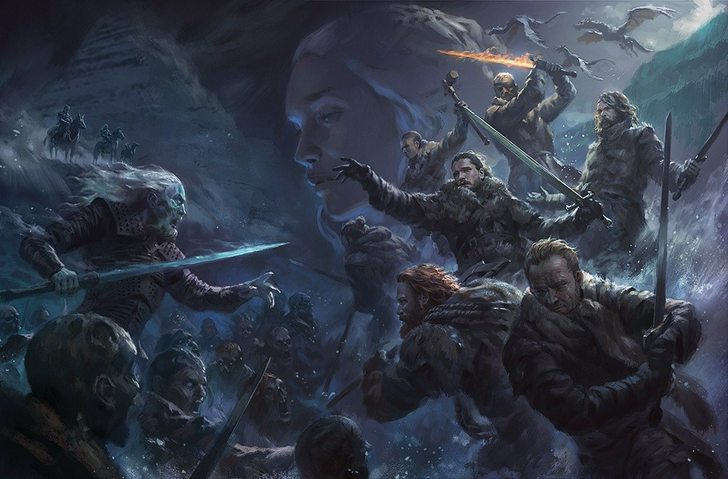
Tyrion Lannister, portrayed by Peter Dinklage, is perhaps the character closest to Martin himself. Tyrion’s sharp wit, intelligence, and outcast status made him an immediate fan favorite. His journey from underestimated noble to a key political player embodied the complexity of the show’s characters. And like many others, my feelings towards characters like Jaime Lannister and Sansa Stark shifted over time, proving the show’s ability to challenge perceptions.
HBO’s Signature Style and Formula
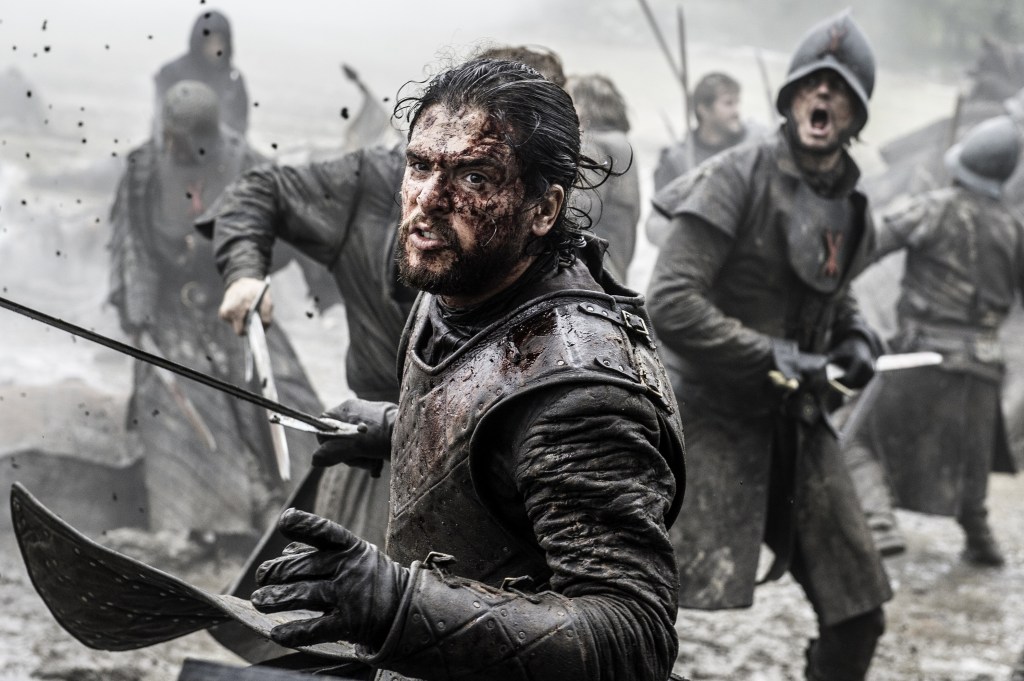
HBO’s signature storytelling formula—seen in The Sopranos and Deadwood—was successfully transplanted to Game of Thrones. The network’s decision to focus on character-driven narratives, punctuated with scenes of violence and explicit content, helped take what could have been a niche fantasy series and transform it into a cultural phenomenon.
One of the show’s most notable aspects was its willingness to kill off major characters, a move that kept audiences on edge. In a world where “all men must die,” no character was safe. This unpredictability, along with the shocking violence, ensured that Game of Thrones became not just a TV show but a global event.
The Final Seasons and the Show’s Legacy
As much as I admired Game of Thrones, I must admit that the final seasons damaged the show’s legacy in the eyes of many fans. The reduced episode count in the last two seasons left many feeling that the story had been rushed, with important character arcs cut short. While I acknowledge the criticisms—character assassinations of fan favorites, pandering to industry trends, and excessive fan service—I didn’t mind the way it ended.
The increased budget and scale made each episode feel like a big-budget movie, and the spectacle remained as grand as ever. Yes, the resolution of some storylines felt abrupt, and the plot armor surrounding certain characters during the penultimate battle was noticeable, but I was still satisfied with the conclusion. My favorite characters survived, and the show continued to deliver the high-stakes drama, epic battles, and breathtaking set pieces I had come to expect.
For me, Game of Thrones will always be the best television show I’ve ever seen. It’s likely the best fantasy series of all time, bringing sword-and-sorcery elements and complex storytelling to mainstream audiences. Despite its divisive ending, the show’s ability to elevate the fantasy genre and draw in millions of fans worldwide is a testament to the brilliance of both George R.R. Martin’s source material and HBO’s bold execution.
I’m thankful to the showrunners for entertaining us for over a decade, for making George R.R. Martin’s epic accessible to the masses, and for helping to bring fantasy and sword-and-sorcery back into the spotlight. Game of Thrones may not have had a perfect ending, but its journey was unforgettable.
 Fantasy : Swords and Sorcery