
Path of Exile Review: A Journey from Casual to ARPG Fanatic
As a long-time fan of action RPGs who has spent countless hours in games like The Elder Scrolls and Dark Souls, I was searching for something fresh, a game with a deep, combat-focused loop, drenched in a sword-and-sorcery aesthetic. My search began after playing Fortnite with my nephew, and I decided to see what other free-to-play titles were worth my time. After reading countless recommendations, one game stood out above the rest—Path of Exile. Little did I know, this game would completely change how I view the ARPG genre.
First Impressions: A Daunting Start
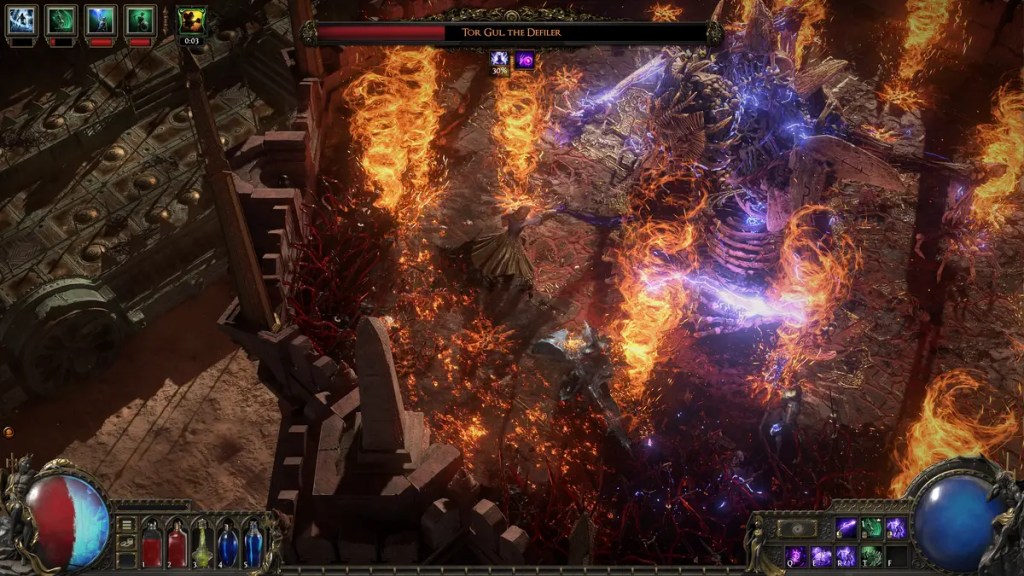
When I first installed Path of Exile, I was skeptical. Free-to-play games often come with the burden of pay-to-win mechanics, but I was pleasantly surprised to discover that Path of Exile doesn’t follow that trend. All monetized content is purely cosmetic, meaning that players get access to the full experience without needing to open their wallets. It was refreshing to see that “free” truly meant free in this case.
However, I was unprepared for the game’s complexity. Having never played Diablo, I initially mistook Path of Exile for a CRPG in the vein of Baldur’s Gate—a genre I tend to avoid due to its intricate inventory management and stat systems. I quickly realized Path of Exile was more focused on action, but even then, its systems were intimidating at first. The game’s core loop of hack-and-slash combat was simple enough, but I found myself quickly overwhelmed by enemies and struggling to manage my health.
That’s when it clicked. The game’s grim atmosphere, its brooding music, and the dark, oppressive mood drew me in. Suddenly, I realized I wasn’t just playing a Diablo-like ARPG—I was experiencing something akin to an isometric Dark Souls. The difficulty, the stat-based progression, and the creature design all echoed the punishing yet rewarding nature of the Souls series.
Plot and Setting: A Dark Fantasy World
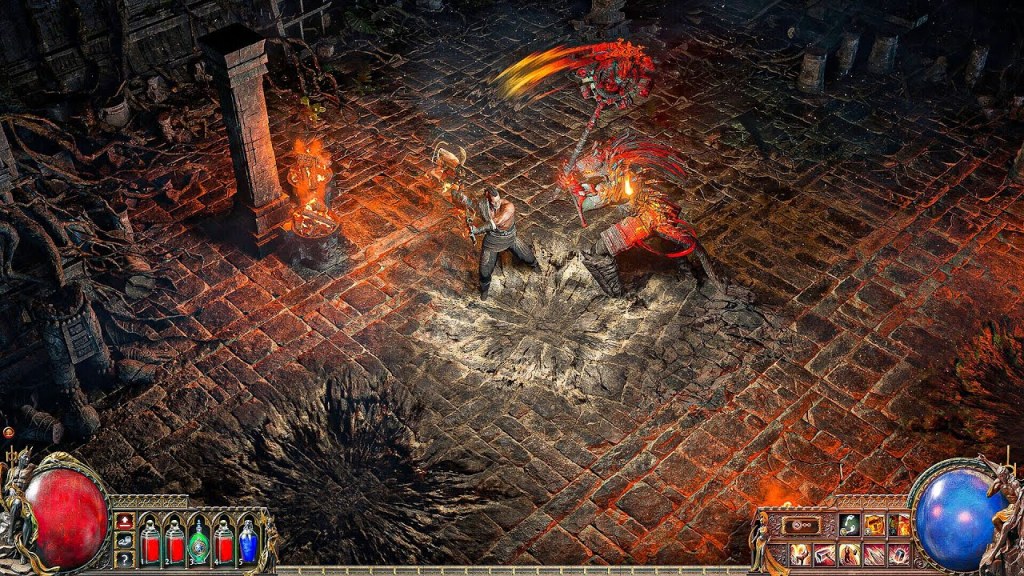
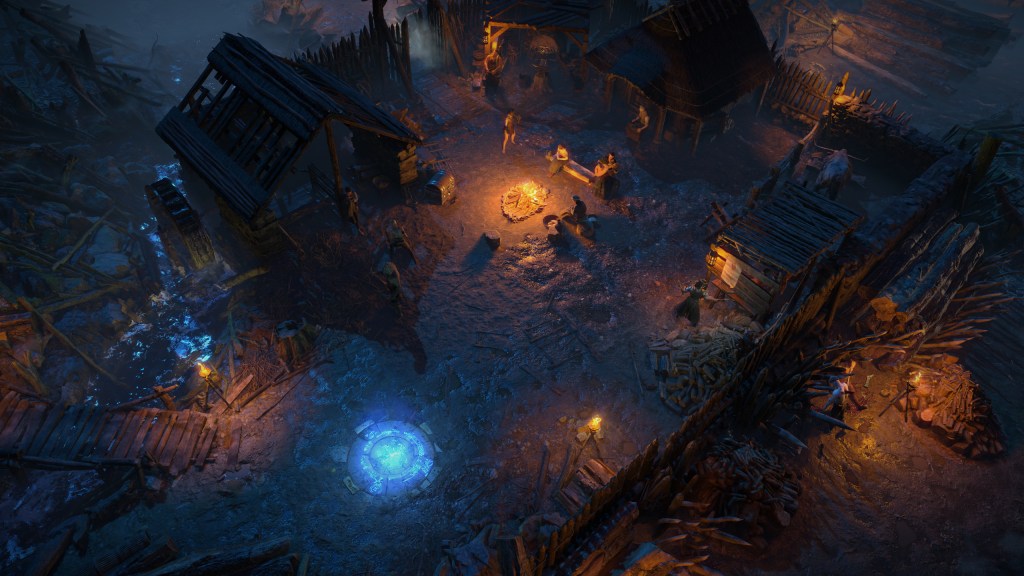
Path of Exile is set in the dark and dangerous world of Wraeclast, a continent cursed by ancient evils and now used as a penal colony by the powerful nation of Oriath. Players assume the role of an exile, cast out for crimes committed (depending on your chosen class) and forced to survive the hostile wilderness. The storyline is a classic tale of survival and redemption, as players uncover the dark secrets of Wraeclast, battle gods and monsters, and eventually work their way back to Oriath to overthrow the corrupt rulers that sent them into exile.
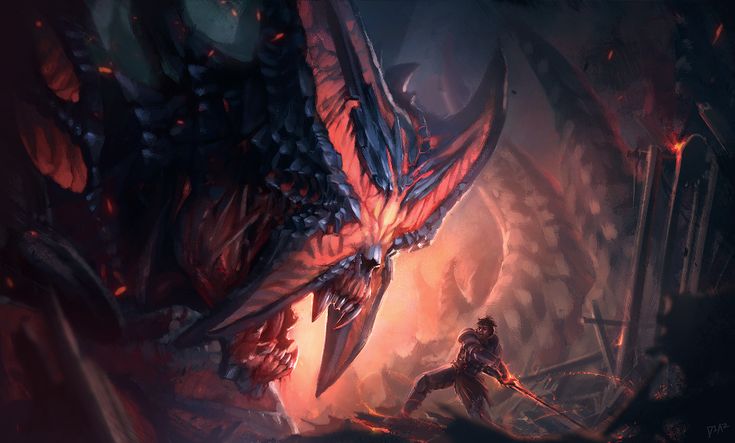
The game’s plot, while not the primary focus, offers a strong narrative backbone. Players are pitted against a range of increasingly powerful adversaries, including the manipulative High Templar Dominus and the ancient gods who rise from their slumber. The journey culminates in a confrontation with Kitava, a malevolent deity whose awakening threatens the world.
While the story may not be the most intricate or complex compared to other RPGs, it provides just enough intrigue and lore to keep you invested. For those who enjoy a dark fantasy setting with a touch of Lovecraftian horror, the world-building in Path of Exile is sure to captivate.

Learning the Ropes
Despite my rough start, I stuck with it, slowly learning how to assign attacks to quick keys, slot gems into armor and weapons, and manage my character’s stats. Path of Exile doesn’t hold your hand, and that’s part of its appeal. It’s a game that forces you to learn by doing, which made every small victory feel earned.
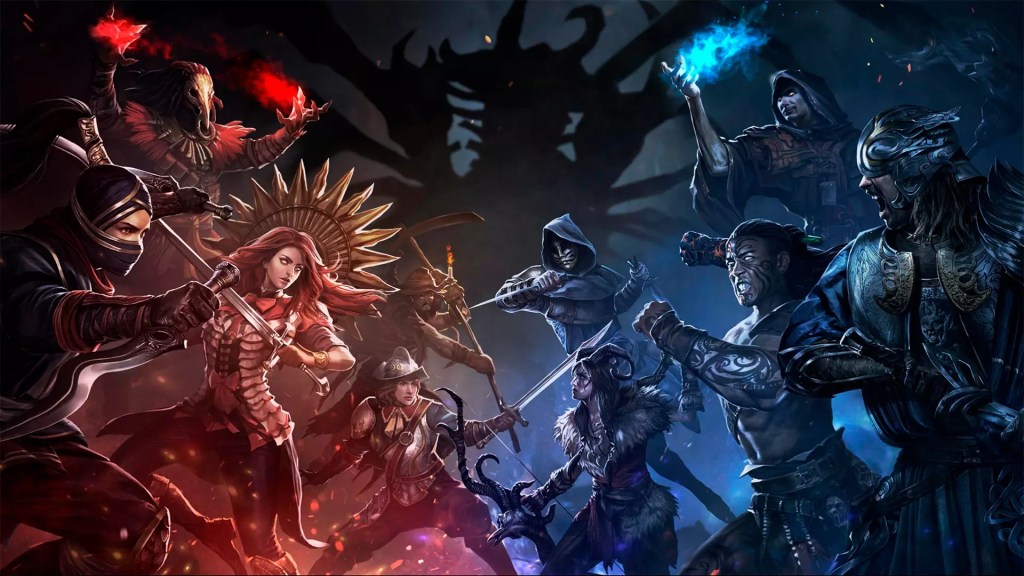
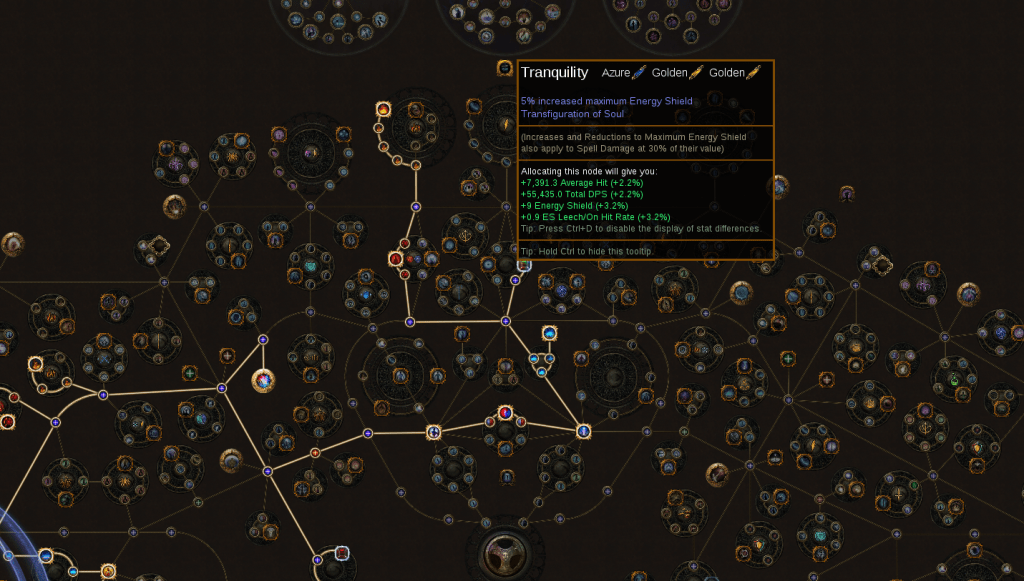
The passive skill tree—an overwhelming web of nodes and paths—initially felt impossible to navigate. However, as I learned more about the game, I began to appreciate the near-infinite ways you can build your character. From brute-force Marauders to cunning Witches, Path of Exile offers endless customization options, allowing you to create a build that feels entirely unique to you.

Combat and Adrenaline
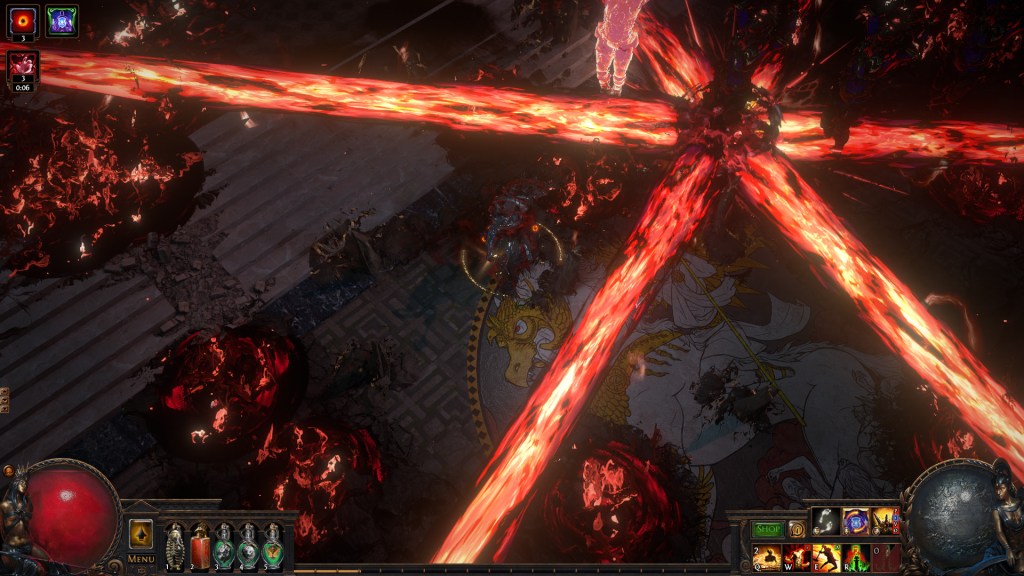
Once I got the hang of the mechanics, the combat experience became a thrill. There’s nothing quite like mowing down hordes of enemies with well-placed skills and carefully chosen gear. Each class offers distinct abilities, from summoning minions as a Necromancer to devastating enemies with a barrage of arrows as a Ranger.
The difficulty scales as you progress, and the game’s bosses provide real challenges, requiring strategic planning and timing. Every time you level up or unlock a new ability, there’s a surge of adrenaline as you watch your power grow. It’s this steady progression of getting stronger, mixed with the constant threat of tougher enemies, that makes the game so addictive.
Development History: A Passion Project
Path of Exile began as a passion project by a small group of action RPG enthusiasts who felt there was a lack of truly deep and challenging games in the genre. Grinding Gear Games, the New Zealand-based studio behind the game, quietly worked on it for years before publicly announcing it in 2010. From its humble beginnings, the game went through a closed beta, eventually launching as a free-to-play title in October 2013.
One of the standout aspects of Path of Exile’s development is the studio’s commitment to making it a genuinely free-to-play experience. Grinding Gear Games have always maintained that their monetization model would be fair and ethical, offering only cosmetic microtransactions and additional account features like stash tabs. This approach has earned them respect and loyalty from the game’s player base, allowing them to continue developing and updating the game without resorting to pay-to-win practices.
The studio has continually expanded Path of Exile, releasing major expansions, new content, and balance patches regularly. With a sequel, Path of Exile 2, currently in development, it’s clear that Grinding Gear Games isn’t slowing down anytime soon.
Reception: A Fan-Favorite ARPG
Path of Exile has been met with widespread acclaim from both players and critics. Its complex systems, depth of customization, and challenging gameplay have earned it comparisons to Diablo II, often cited as the spiritual successor to Blizzard’s classic. The game’s free-to-play model, devoid of pay-to-win mechanics, has also been lauded as one of the best examples of how to handle monetization in a live-service game.
For hardcore ARPG fans, Path of Exile is a near-perfect experience, offering endless replayability through its seasonal leagues and the ever-evolving endgame. However, even casual players like myself can find enjoyment in the core gameplay loop, though it may take some time to adjust to its complexity. The game has a dedicated community, and its developers frequently engage with players to improve the experience, making Path of Exile one of the most actively supported games on the market.
A Living, Evolving Game
One of the standout features of Path of Exile is how it constantly evolves. Even as a casual player, I can leave the game for a few months and come back to find entirely new content. The developers at Grinding Gear Games are constantly updating the game, adding new leagues, challenges, and expansions that keep the experience fresh.
The seasonal leagues are where the game truly shines, offering new mechanics and rewards for players who want to push their characters to the limit. For players like me, who love jumping back in from time to time, this makes Path of Exile feel alive—almost like the Fortnite of the ARPG world, but with far more depth and complexity.
A Gateway to ARPGs
Before Path of Exile, I hadn’t delved into the world of ARPGs beyond a few dungeon crawlers. But after mastering this game, I found myself hooked on the genre. I’ve since played Diablo 3, Diablo 2 Remake, Darksiders Genesis, Grim Dawn, and TitanQuest—all of which now rank among my favorite games. Path of Exile taught me how rewarding and addictive the hack-and-slash formula can be when done right.
While the game isn’t primarily about its story, and the true endgame lies in its deep leagues and seasons, there’s something satisfying about the core gameplay loop that keeps pulling me back. Whether you’re a casual player or a hardcore grinder, Path of Exile offers something for everyone.
The Endgame: Where the Real Challenge Begins
No review of Path of Exile would be complete without mentioning its endgame content. For those who find themselves addicted to the game’s core loop, this is where the real challenge begins. The endgame refers to content that becomes available after finishing the main campaign, designed to let players continue leveling up their characters and improving their builds. In many games, the grind to max level culminates with a brief taste of your character’s full power in the final act of the story. But in Path of Exile, the endgame introduces a system of maps that open portals to more difficult areas, creating new opportunities to push your build to the limit.
This is where Path of Exile earns its reputation as the true successor to Diablo II, encouraging players to not only grind for better gear but to make full use of the game’s intricate trading mechanics. The loot economy thrives in the endgame, with rare items and powerful equipment becoming the focus for many players. However, it’s also at this point that Path of Exile’s free-to-play model shows its limitations. While the main campaign can be completed without spending a dime, dedicated endgame players often need to purchase additional stash tabs to store their valuable items, especially if they plan to engage in trading.
As a casual player, I haven’t delved too deeply into the endgame, but I can see why it’s so appealing to others. If you loved Diablo II’s loot-driven economy and felt disappointed by how it was handled in Diablo III, Path of Exile’s endgame is where you’ll find that itch fully scratched. For me, playing through the main acts was enjoyable without ever needing to spend money, and I was still able to defeat bosses and progress through the levels at my own pace. That said, I’m wary of games becoming too much like slot machines, and I’ve seen how some players can become deeply invested—and even addicted—to the endless grind.
In the 15-20 hours I spent playing, I found Path of Exile immensely enjoyable. Every time I’ve returned to the game over the years, it’s been updated with new content and improved graphics, which makes it feel fresh even after extended breaks. The beauty of Path of Exile is that you can enjoy it casually or dive headfirst into the incredibly deep systems that the endgame offers. Just be aware that, for some, this depth can become an obsession.
Conclusion: A Must-Play ARPG
Path of Exile is the perfect example of a free-to-play game done right. With no pay-to-win mechanics, constant updates, and a depth of gameplay that’s almost unrivaled in the ARPG genre, it stands as one of the best live-service games on the market. Its complexity might be daunting at first, but once you get the hang of it, the satisfaction of mastering the game’s systems is immense.
For anyone looking for an ARPG that challenges you, rewards careful planning, and offers nearly endless replayability, Path of Exile is a must-play.
 Fantasy : Swords and Sorcery