
Some films begin their journey as box office failures, dismissed by critics and audiences alike, only to rise from the ashes as beloved cult classics. 47 Ronin, the 2013 historical fantasy action film starring Keanu Reeves, is poised to become one of these films. Though it was met with lukewarm reviews and a dismal box office performance, there’s more to this film than meets the eye—especially for fans of samurai cinema and fantasy.

Directed by Carl Rinsch in his first and only major theatrical effort, 47 Ronin is a visually ambitious reimagining of the famous Japanese legend of the forty-seven rōnin. The story is a fictionalized account of real-life samurai who avenged the death of their master, Lord Asano, in 18th-century Japan. However, rather than sticking to the historical version of events, the film takes a bold, creative leap by introducing fantasy elements like witches, giants, and mythical creatures. As Universal Pictures once described it, this was an attempt to create a “stylized version” of the tale—melding the sort of fantasy seen in The Lord of the Rings with gritty samurai action akin to Gladiator.
Plot Overview
The film follows the journey of Kai (Keanu Reeves), a half-Japanese, half-English outcast who was taken in as a child by the benevolent Lord Asano of Akō Domain. From the very beginning, Kai’s status as an outsider creates tension between him and the samurai of Asano’s court, particularly Oishi (Hiroyuki Sanada), the proud head of Asano’s retainers. Despite these tensions, Kai shares a secret, forbidden love with Lord Asano’s daughter, Mika (Ko Shibasaki).

The main conflict arises when Lord Kira (Tadanobu Asano), a rival lord, plots to take over Akō with the help of a powerful sorceress, Mizuki (Rinko Kikuchi), who can shape-shift into various creatures, including a white fox and a dragon. She first sends a monstrous kirin to attack Asano and his men during a hunting trip, an event that sets off a chain reaction of betrayal and tragedy. Using sorcery, Mizuki bewitches Asano into attacking Kira, leading to Asano’s forced suicide in front of the visiting Shōgun, an act that strips his samurai of their honor and makes them rōnin—masterless warriors.
The Shōgun (Cary-Hiroyuki Tagawa) forbids any act of vengeance, and Kira takes control of Akō, planning to marry Mika. Meanwhile, Oishi, now disgraced, is imprisoned, and Kai is sold into slavery. Nearly a year later, Oishi is released and begins gathering the scattered rōnin, including Kai, who is now a gladiator in the fighting pits of Dejima. Kai leads them to the mystical Tengu Forest, where he once trained under a demon monk. Here, the rōnin acquire magical swords, and Oishi finally accepts Kai as an equal, setting the stage for their revenge against Kira.

The final act sees the rōnin storming Kira’s castle, disguised as performers for his wedding to Mika. The battle sequences are both thrilling and tragic, as the rōnin, outnumbered and facing overwhelming odds, take on Kira’s forces. Kai confronts Mizuki in her dragon form, ultimately using his supernatural skills to defeat her, while Oishi takes Kira’s head in single combat, completing their quest for vengeance. However, the rōnin’s fate is sealed—despite their victory, they are sentenced to death by seppuku for defying the Shōgun’s orders, though they are granted the honor of dying as samurai.
Production and Vision
The production of 47 Ronin was an ambitious undertaking. Development began in 2008, with Universal Pictures envisioning a large-scale fantasy epic that combined the iconic story of the forty-seven rōnin with elements of Eastern mythology. Carl Rinsch, who had previously directed visually stunning commercials, was brought on board despite his lack of feature-film experience. The casting of Keanu Reeves, a Hollywood star with considerable action credentials (especially with his roles in The Matrix and later John Wick), signaled that the studio intended to appeal to Western audiences. However, in a move to preserve some authenticity, five prominent Japanese actors—including Hiroyuki Sanada and Rinko Kikuchi—were cast in key roles.
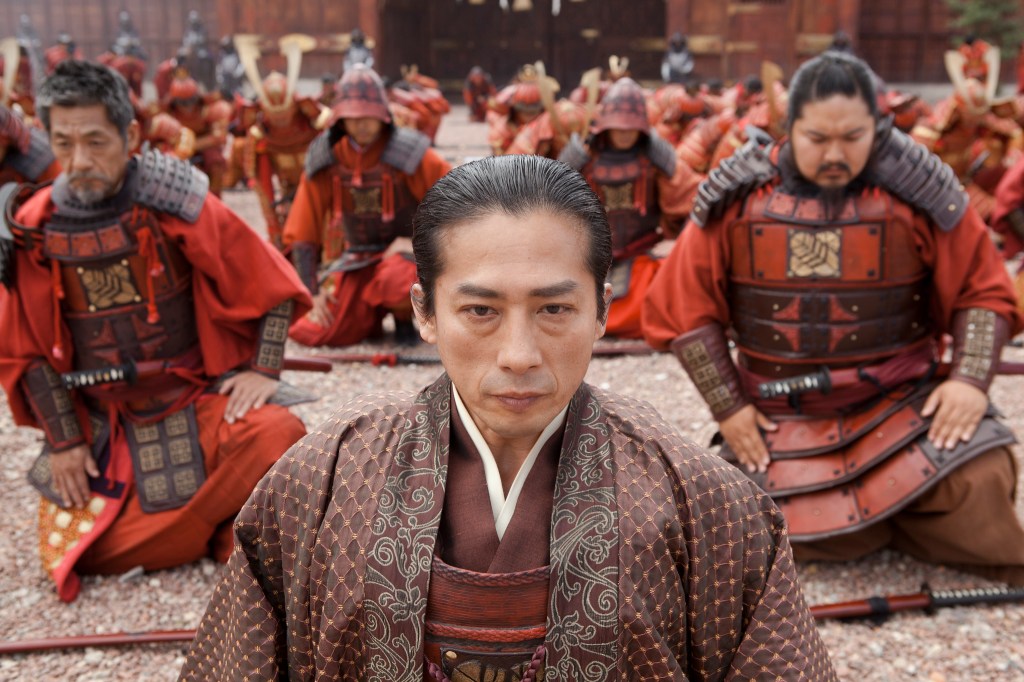
Filming took place in various locations, from Budapest to Shepperton Studios in England, and even Japan, adding to the film’s global production scope. Universal backed the project with an enormous budget of between $175–225 million, but despite the high stakes, the film encountered significant post-production issues, including reshoots in London and delays due to its complex visual effects. Notably, the decision to release the film in 3D further pushed back its release date, and by the time it premiered in December 2013, expectations were high—perhaps too high.
Why It Fell Short with Critics
Upon release, 47 Ronin was largely panned by critics. The common criticisms included the lack of emotional depth, the underdevelopment of most of the rōnin apart from Oishi and Kai, and the feeling that the film had traded historical authenticity for Hollywood spectacle. For those unfamiliar with the original Japanese tale, it was easy to miss why these characters were so committed to avenging their fallen master. The emotional stakes never quite reached the heights needed to carry the weight of the story, which has been a cornerstone of Japanese culture for centuries.
Another point of contention was the film’s tone—it felt caught between being a blockbuster fantasy epic and a samurai drama. Fans of Akira Kurosawa’s films or more grounded samurai epics might have found themselves wanting deeper dialogue and richer themes, while fans of action-packed fantasy might have been confused by the quieter moments of reflection.
Why It Deserves a Second Look
Yet, despite these flaws, 47 Ronin delivers on many fronts. Visually, the film is a feast. From the beautifully rendered landscapes of Japan to the intricate costumes and creature designs, it is a spectacle of high fantasy set against a unique cultural backdrop. The character of Mizuki, with her otherworldly powers and fox-like persona, is a captivating antagonist, and her transformations into creatures like a dragon add a dynamic flair to the film’s action sequences. The demon monk who tests Kai and the haunting Tengu temple stand out as moments of imaginative brilliance.

For fans of samurai films and action fantasies, 47 Ronin offers plenty of swordplay, mythical creatures, and epic set pieces. The dockside battle where Kai fights a monstrous giant, and the final castle raid, where the rōnin get their revenge, are both thrilling highlights. The forbidden love story between Kai and Mika, while somewhat underdeveloped, adds a human element to the larger-than-life stakes.
Where the film stumbles in its character development—especially for the other 46 rōnin—it makes up for in style and atmosphere. The story follows the beats of a classic hero’s journey, with Kai’s rise from outcast to warrior being a central focus. Oishi’s gradual acceptance of Kai as an equal also adds depth to their relationship.

In the end, 47 Ronin may not have been the critical or commercial success Universal Pictures hoped for, but it has all the ingredients of a future cult classic. Its blend of Japanese mythology, samurai tradition, and fantasy action creates a unique cinematic experience that deserves more appreciation. If you’re looking for a visually striking fantasy adventure with swords, sorcery, and spectacle, this film just might surprise you.
Have you seen this movie ? What did you think about it? Let us know in the comment section below.
 Fantasy : Swords and Sorcery