
Netflix’s “One Piece,” developed by Matt Owens and Steven Maeda, is a captivating live-action adaptation of the beloved manga series by Eiichiro Oda. Released on August 31, 2023, the series has quickly garnered acclaim for its faithful representation of the source material, stellar performances, and impressive visual effects. As a fan of both the manga and anime, I approached this adaptation with cautious optimism, and I’m thrilled to say that it exceeded my expectations.
One of the most striking aspects of Netflix’s “One Piece” is its dedication to capturing the essence of the original manga. Under the guidance of Eiichiro Oda, who serves as a creative consultant, the series maintains a balance between staying true to the source material and bringing a fresh perspective to the story. The show’s narrative arc closely follows the adventures of the Straw Hat Pirates as they set sail in search of the legendary One Piece, a treasure that promises to make their captain, Monkey D. Luffy, the King of the Pirates. This fidelity to the original story has been one of the key reasons for the show’s positive reception among fans and critics alike.

As someone who had never heard of One Piece before seeing the trailer for Netflix’s live-action adaptation, I wasn’t sure what to expect. Coming from a generation that revered Japanese animation for its dark, adult sci-fi and fantasy offerings like Akira, Ghost in the Shell, Ninja Scroll, and Berserk from the late ’80s and early ’90s, I was initially skeptical. The bright, cartoonish visuals and anime art style of One Piece seemed to belong to a different era—one characterized by shows like Pokemon and Dragon Ball, which I found too outlandish, culturally alien, and slightly juvenile at the time.
Judging solely on aesthetics, one might easily dismiss One Piece as something akin to the offspring of an unholy union between Pirates of the Caribbean and SpongeBob SquarePants. Its vibrant visuals and cartoonish mise-en-scène are more akin to a video game like Super Mario, with characters that look like they’ve stepped out of the latest manga cosplay convention. It’s bright, outlandish, and extravagant, and by all logic, it shouldn’t work—but somehow, it does, and in a wonderfully captivating way.

At its core, One Piece follows the deceptively straightforward plot of a young man named Monkey D. Luffy, who dreams of becoming not just any pirate, but the greatest pirate who ever lived. This simple premise, however, belies the true appeal of the show: its unyielding optimism and heart. As Luffy assembles a ragtag crew of outcasts, each with their own dreams and ambitions, the show unfolds into a series of adventures that are as much about friendship and perseverance as they are about treasure hunting.
The episodic format of the series works remarkably well for this adaptation of the beloved manga. It gives the story room to breathe, allowing it to gradually reveal the backstory of each character and set up the central conflicts of the series. One Piece is full of twists and turns, mixing humor with genuine tragedy. The more time you spend with Luffy and his crew, the more these characters grow on you. You begin to root for these plucky heroes as if they were old friends.
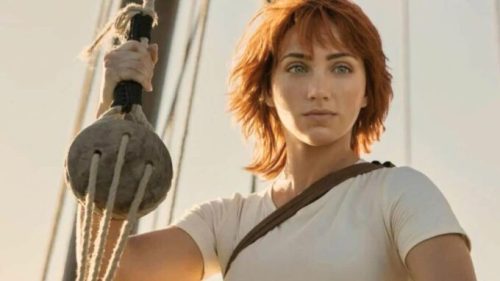
The ensemble cast does a phenomenal job bringing these characters to life. Iñaki Godoy’s portrayal of Luffy is filled with infectious enthusiasm, capturing the character’s spirit perfectly. Emily Rudd as Nami, Mackenyu as Roronoa Zoro, Jacob Romero Gibson as Usopp, and Taz Skylar as Sanji all deliver performances that add depth and charm to their respective roles. They manage to make their outlandish costumes and larger-than-life personalities feel grounded and relatable.
Iñaki Godoy shines as Monkey D. Luffy, capturing the character’s infectious optimism and rubbery resilience, thanks to his Gum-Gum Devil Fruit abilities. Godoy’s portrayal is both earnest and energetic, embodying Luffy’s unwavering determination to achieve his dreams.
Emily Rudd’s portrayal of Nami is equally compelling, as she navigates the complexities of being an enigmatic thief and skilled cartographer. Rudd captures Nami’s fierce independence and vulnerability with nuance, making her a standout character in the series.

Mackenyu as Roronoa Zoro delivers a powerful performance as the master swordsman who wields his three swords with unparalleled skill. His stoic demeanor and intense dedication to becoming the world’s greatest swordsman are captured perfectly, adding depth to his character.
Jacob Romero Gibson as Usopp and Taz Skylar as Sanji round out the core cast with dynamic portrayals of their respective characters. Gibson’s Usopp is a delightful blend of bravado and insecurity, while Skylar’s Sanji brings both charm and grit to the role of the Straw Hat’s master chef and martial artist.
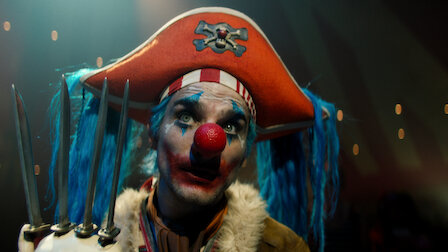
The visual effects and production quality of “One Piece” are nothing short of spectacular. From the vibrant colors of the ocean to the imaginative designs of the Devil Fruit powers, the series succeeds in bringing the fantastical world of “One Piece” to life. The use of CGI is well-executed, particularly in the portrayal of Luffy’s elasticity and Buggy the Clown’s disjointed body parts, which are both visually striking and true to the manga’s whimsical style.
In conclusion, Netflix’s One Piece is a delightful surprise. It takes a premise that, on the surface, seems too outrageous to succeed and turns it into something truly special. With its blend of humor, adventure, and heartfelt storytelling, this show is a testament to the magic that can happen when creativity and passion come together.With a talented cast, stunning visual effects, and a commitment to staying true to the source material, the show has set a new standard for adaptations of beloved manga and anime series. As the most-watched Netflix show in the latter half of 2023 and with a second season already in production, it’s clear that “One Piece” has struck a chord with both longtime fans and new viewers. I eagerly await the next installment in this epic journey to find the One Piece and become the King of the Pirates.
 Fantasy : Swords and Sorcery