APOCALPYTO NOW

“Kingdom of the Planet of the Apes” (2024) stands as a formidable entry in the venerable franchise, directed by Wes Ball and penned by Josh Friedman. This film serves as a standalone sequel to “War for the Planet of the Apes” (2017) and is the fourth installment in the rebooted series, marking the tenth overall in the saga. With a star-studded cast including Owen Teague, Freya Allan, and Kevin Durand, the film explores the distant future of the Planet of the Apes universe, diving into the complex relationships between humans and apes.
Set 300 years after the events of “War for the Planet of the Apes,” the film follows Noa (Owen Teague), a young chimpanzee from a falconry clan, and Mae (Freya Allan), a human woman with her own mysterious agenda. After Noa’s clan is attacked and his father is killed by the ruthless gorilla general Sylva, Noa sets out on a quest to rescue his abducted clan members. Along the way, he teams up with Raka, a wise orangutan, and Mae, who reveals her intelligence and ability to speak.
The journey leads them to confront Proximus Caesar, a bonobo king with ambitions of unlocking human technology to dominate other ape clans. The climax unfolds with explosive confrontations and revelations, ultimately questioning whether apes and humans can coexist peacefully.
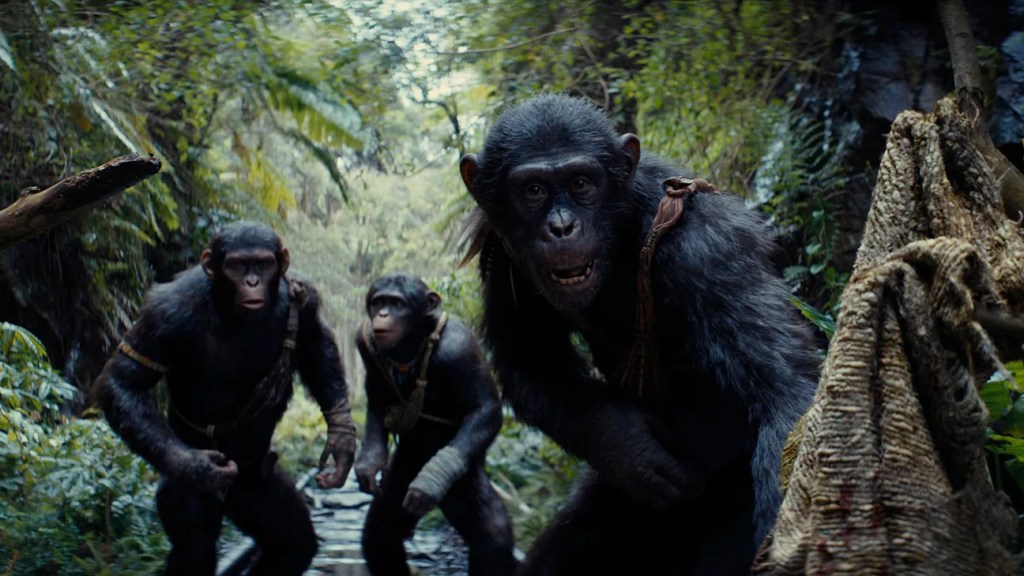
It’s amusing to think that in 2024, the Planet of the Apes movies are still going strong. There’s something undeniably compelling about sentient apes on horseback chasing humans, now reduced to mute savages, and subjecting them to all sorts of cruelties and humiliations. This perverse role reversal of the real status quo between man and apes taps into deep, primal fears and curiosities.
I’ve always enjoyed the reboot movies, but I’ve never loved them or admired them in the same way as the original Planet of the Apes film. It feels as though the subject matter has been diluted to appeal to a younger or more general audience. Additionally, the new movies have a noticeable bias toward the ape characters and their stories, often demonizing humanity—or more bluntly, men. Personally, I find the idea of talking, intelligent apes frightening, and I’ve always felt that this material could make for excellent sci-fi horror.
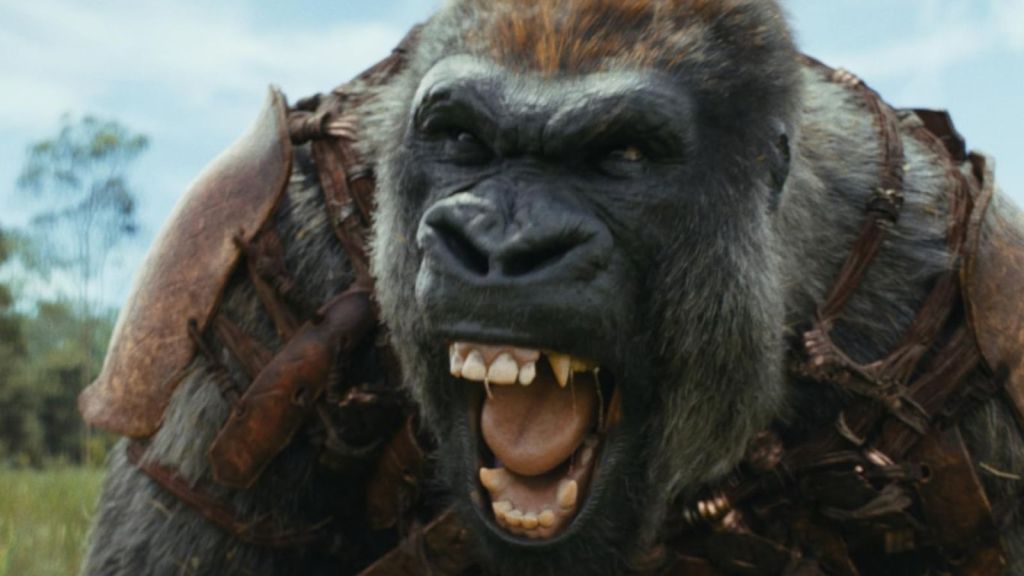
Recently, I read the book by the French author Pierre Boulle, who also wrote “The Bridge on the River Kwai,” adapted into a film by the cinematic great David Lean. The story of Planet of the Apes seemed to be an allegory of Boulle’s experiences as a prisoner of war in Japanese-occupied Indochina, touching on themes of man’s inhumanity to man, cultural and racial divides, and the tendency to dehumanize or perceive others as threats.
“Kingdom of the Planet of the Apes” explores themes of legacy, leadership, and the potential for coexistence between species. The narrative reflects on the repercussions of power and the use of technology, echoing historical and contemporary concerns. However, the film sometimes struggles with pacing and leans heavily on setting up potential sequels, which can detract from its immediate storyline.
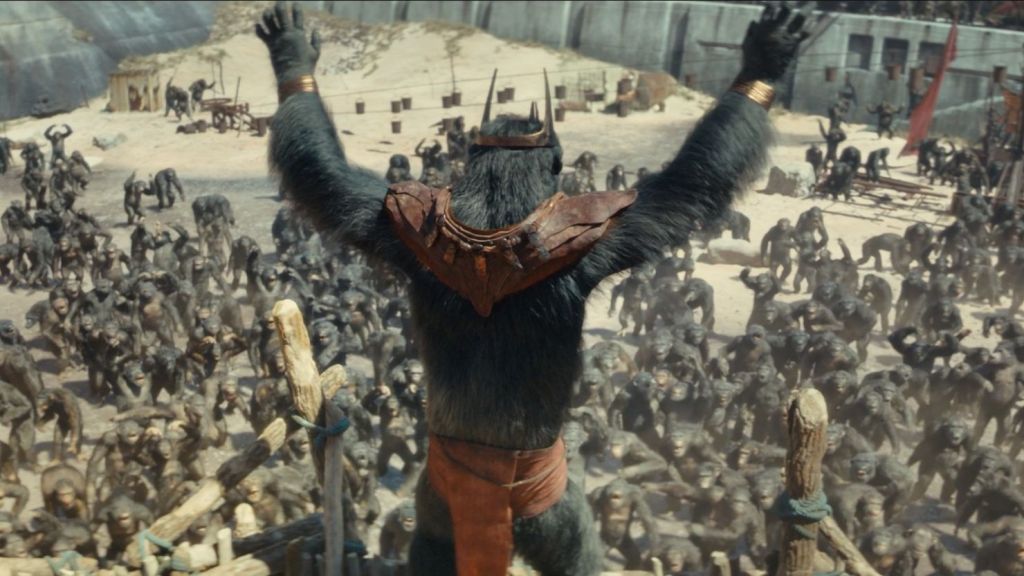
The question of whether intelligent apes and humans could share our planet peacefully is a fascinating one. History, including the demise of the Neanderthals and other rivals to humanity’s dominance, suggests it is highly doubtful. Despite my reservations, I will say that this film is my favorite of the new movies. I appreciate that it is set in a distant future where apes have risen to become the dominant species. The film draws inspiration from Mel Gibson’s “Apocalypto” and James Cameron’s “Avatar” to depict the emergence of ape culture and civilization.
We also see the character Nova, originally from the book and the classic film, updated to give her more agency and importance in the narrative. The film’s antagonist cleverly reverses the hero from the previous trilogy, warping Caesar’s teachings into a war-like mantra. One interesting theme that runs through all the new films is the fall from grace and isolation from nature that comes with acquiring language. The more language skills the apes acquire, the more human traits they seem to adopt, repeating the same mistakes and exhibiting flaws like violence, greed, and a lust for power.
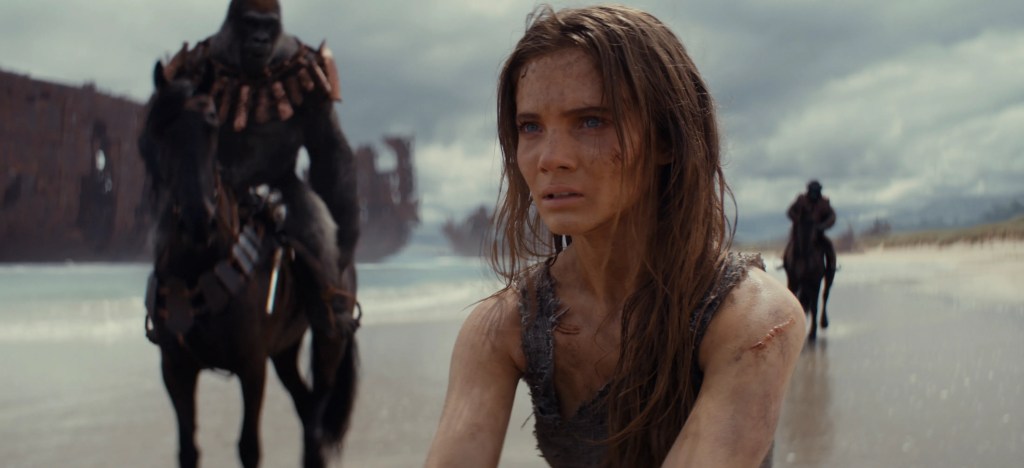
While the film is good, it isn’t great, which is disappointing because it had the potential to be excellent. The focus on apes as the main protagonists made it hard for me to fully invest in the story. I found myself more concerned with the plight of the humans.
 Fantasy : Swords and Sorcery