Why everybody is wrong about Aquaman 2
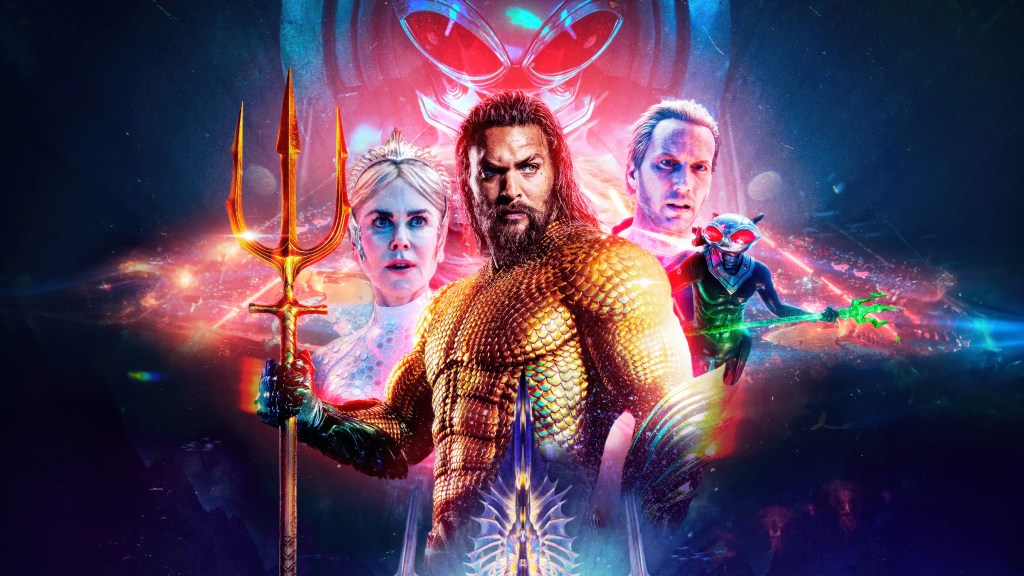
One of the biggest surprises of 2018 was how much I enjoyed “Aquaman.” With little to no prior knowledge of the character from DC Comics, I wasn’t expecting much from James Wan, a director primarily known for his contributions to the horror genre. Yet, he delivered a fast-paced, rip-roaring adventure that harkened back to classic blockbuster movies of the ’80s and early ’90s. The film resonated with audiences and became a global smash hit, leaving me excited to see what Wan would do with “Aquaman 2.”
The trailer for “Aquaman and the Lost Kingdom” looked promising, but when the film was released at the end of last year, it seemed to come and go at the box office with little fanfare or praise. This occurred during a period when the superhero genre was experiencing a downturn, with both DC and Marvel films underperforming. Critics and comic book fans quickly dismissed the film as a flop or even one of the worst comic book movies ever.
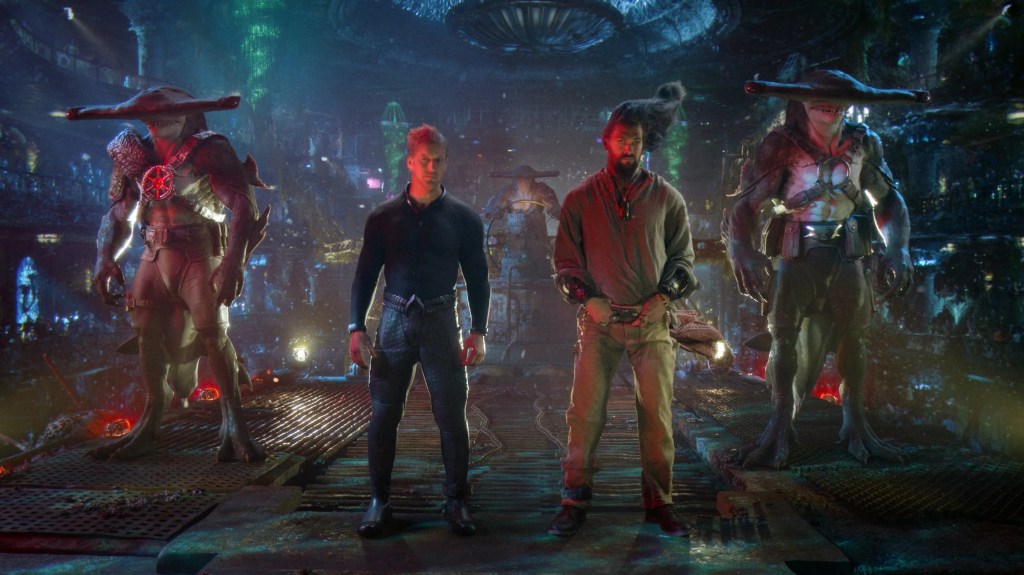
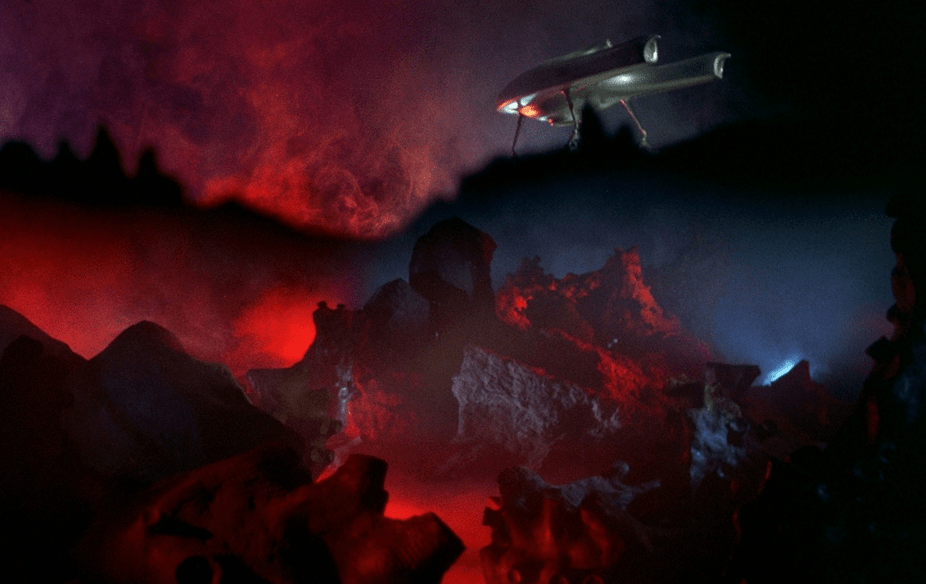
I’m here to say that everyone is wrong about this movie. In my opinion, “Aquaman 2” is one of the best blockbusters in years and a beautiful work of art that pays respectful homage to one of cinema’s greatest filmmakers, Mario Bava. The use of color and lighting in this film is breathtaking, with costume and set designs clearly influenced by Bava’s classic movie “Planet of the Vampires.” It’s a return to old-school film matinee, reminiscent of the classic B-movie pulp sci-fi from the 1930s and ’40s—the kind of film that George Lucas and Steven Spielberg built their careers on. It’s not grim and gritty like “Joker” or “The Dark Knight”; it’s bright, upbeat, and recalls Saturday morning cartoons from the ’80s. It’s light-hearted and fun.
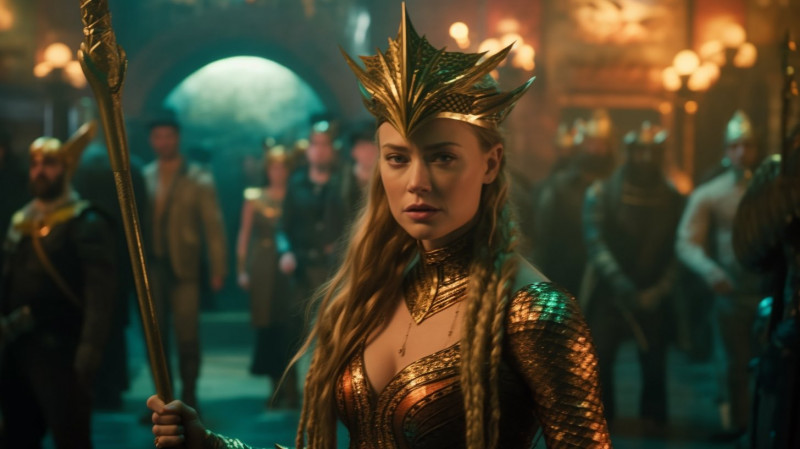
I felt sympathy for Amber Heard amid the controversies surrounding her personal life and her ill-fated marriage to Johnny Depp. Regardless of the court proceedings and public fallout, I liked her portrayal of Mera. Her character is part Ariel from “The Little Mermaid,” part Xena: Warrior Princess, with a dash of Jessica Rabbit. She was a charming presence on screen, and I would have liked to see more of her.
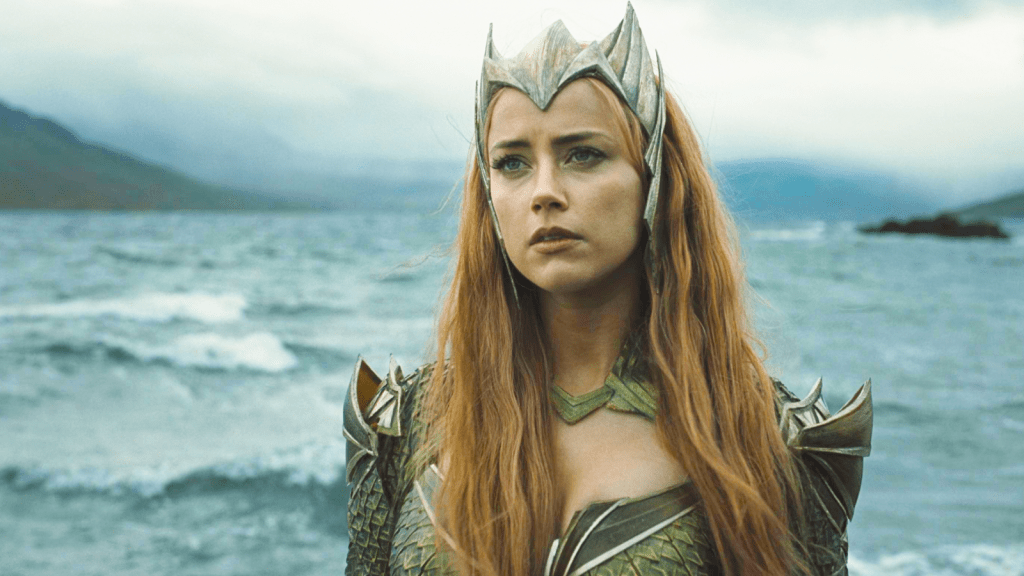
The bromance between Arthur Curry and his half-brother Orm, played by the always awesome Patrick Wilson, was another highlight. Their dynamic added depth to the film and was genuinely entertaining.
If nothing else, I hope this article encourages someone to give “Aquaman 2” a second chance, free from the toxic online critiques that seem to hate everything Hollywood produces these days. For cinephiles, I hope it introduces you to the work of Mario Bava, a filmmaker who made some amazing films in his long career, influencing not just James Wan but also directors like Guillermo del Toro and Ridley Scott.
“Aquaman and the Lost Kingdom” is more than just a superhero film; it’s a tribute to the adventurous spirit of classic cinema and a visual delight that deserves to be appreciated for its artistic merits.
In the landscape of modern cinema, the influence of past masters often reverberates through new works, shaping them in subtle yet significant ways. “Aquaman and the Lost Kingdom” (2023), directed by James Wan, is a prime example of this phenomenon, drawing inspiration from various sources, including the retro science fiction and horror aesthetics of the 1960s. A notable influence is Mario Bava’s seminal work, “Planet of the Vampires” (1965). This article explores how “Aquaman 2” mirrors the stylistic and thematic elements of Bava’s classic, and what this says about the enduring legacy of Bava’s filmmaking.
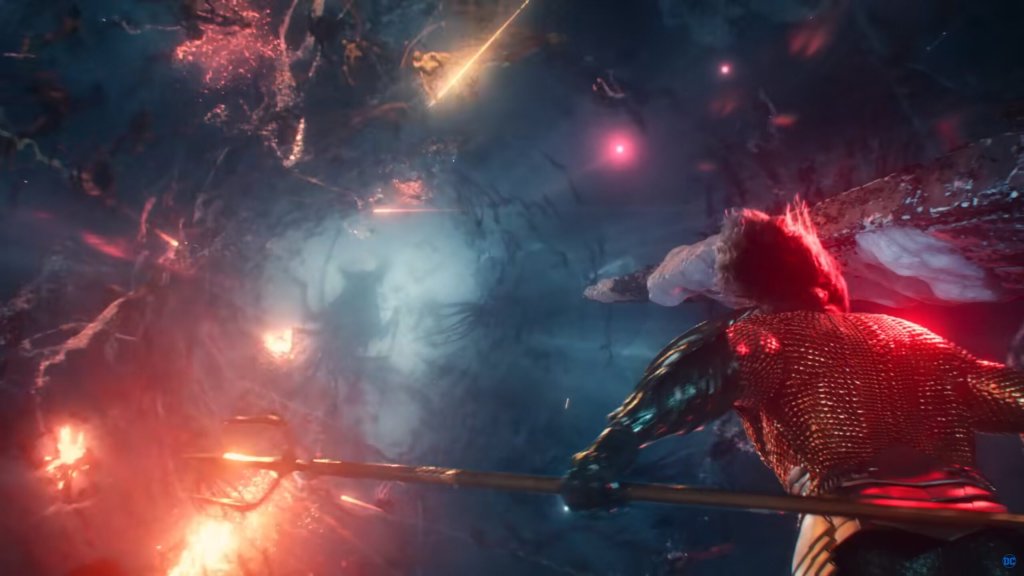
“Aquaman and the Lost Kingdom” is the sequel to the 2018 film “Aquaman” and the final installment in the DC Extended Universe (DCEU). Jason Momoa reprises his role as Arthur Curry/Aquaman, who must ally with his estranged half-brother Orm to thwart the plans of Black Manta, who seeks to use the cursed Black Trident to wreak havoc on the world. Directed by James Wan, the film embraces a more serious tone compared to its predecessor and weaves in themes such as climate change, environmental destruction, and the complexities of familial bonds.
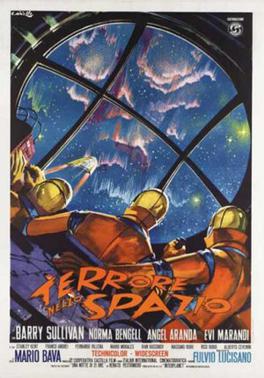
Mario Bava, an Italian filmmaker renowned for his work in horror and science fiction, left an indelible mark on the genre with his innovative use of color, lighting, and special effects. Films like “Black Sunday” (1960), “Blood and Black Lace” (1964), and “Planet of the Vampires” (1965) showcase his ability to create atmospheric and visually compelling narratives. “Planet of the Vampires,” in particular, stands out for its eerie, otherworldly visuals and its blending of science fiction with horror—a technique that has influenced many filmmakers, including James Wan.
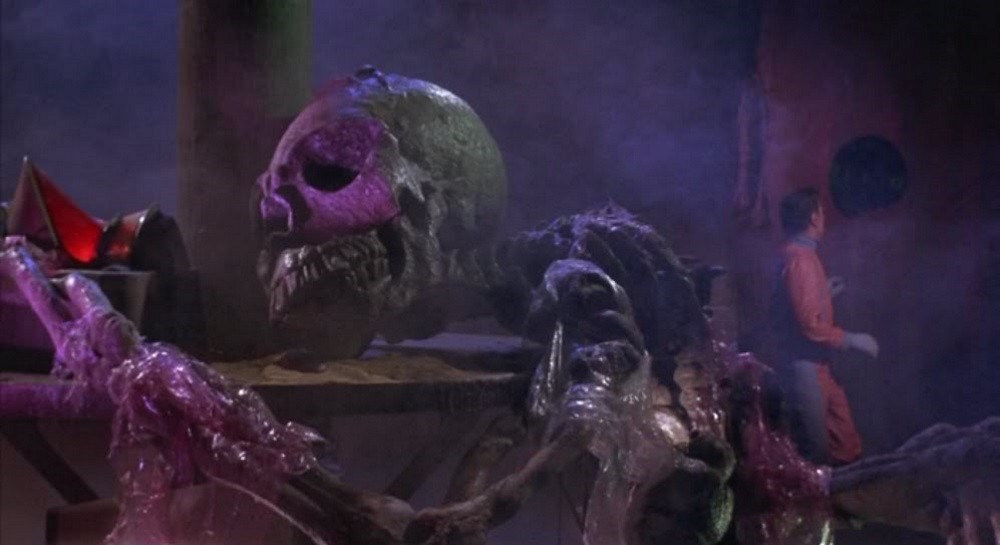
Color and Lighting: Bava’s films are known for their vibrant, surreal use of color and dramatic lighting. “Planet of the Vampires” employs a rich palette of colors and thick, atmospheric fog to create a sense of alien otherworldliness. Similarly, “Aquaman and the Lost Kingdom” utilizes vibrant underwater landscapes and elaborate lighting to evoke a fantastical and immersive world. The underwater scenes in “Aquaman 2” often feature glowing flora and fauna, reminiscent of the otherworldly hues Bava used to portray alien planets.
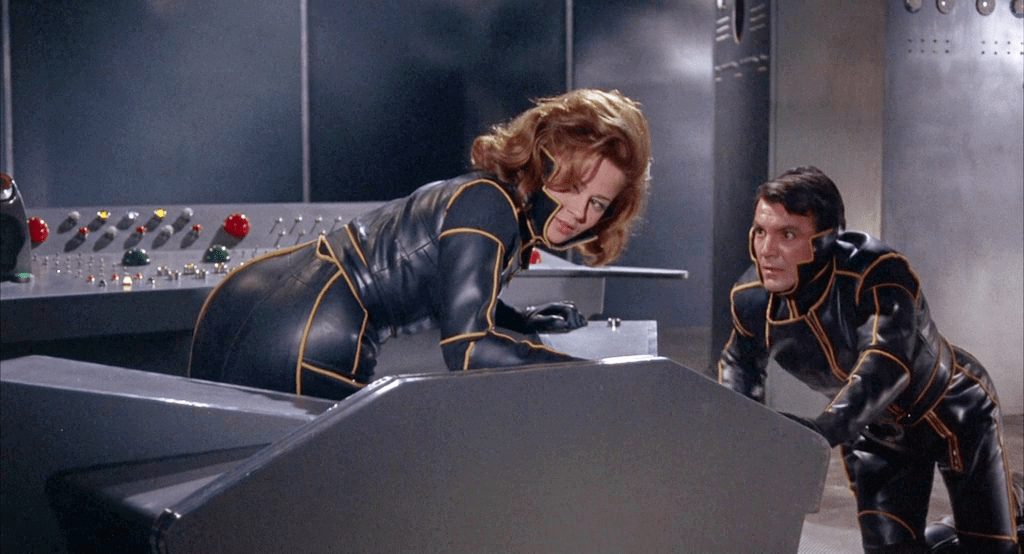
Practical Effects and Set Design: Bava’s resourcefulness with low-budget effects is legendary. In “Planet of the Vampires,” he used miniatures, mirrors, and practical effects to create the film’s eerie environments. James Wan, while working with a significantly larger budget, also focuses on practical effects to enhance the tangible feel of the underwater scenes and the ancient Atlantean technology. This homage to Bava’s ingenuity helps ground the fantastical elements of “Aquaman 2” in a sense of physical reality.
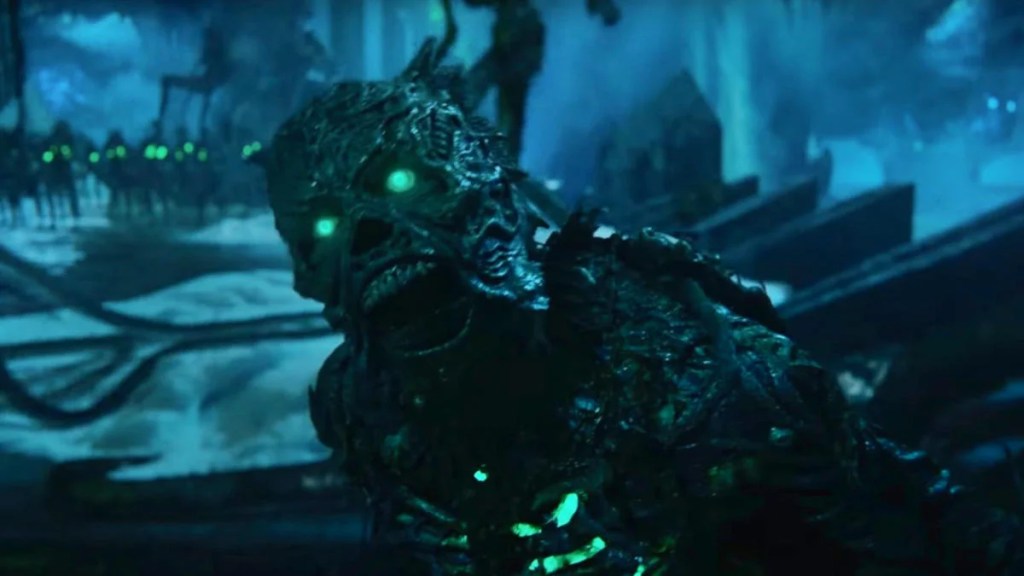
James Wan’s “Aquaman and the Lost Kingdom” serves as a bridge between contemporary blockbuster filmmaking and the rich legacy of classic horror and sci-fi, epitomized by Mario Bava’s “Planet of the Vampires.” Through its visual style, thematic depth, and atmospheric tension, “Aquaman 2” pays homage to Bava’s pioneering work, illustrating the enduring influence of his cinematic vision. As audiences dive into the underwater adventures of Aquaman, they are, knowingly or unknowingly, experiencing the echoes of Bava’s masterful storytelling and innovative artistry.
 Fantasy : Swords and Sorcery