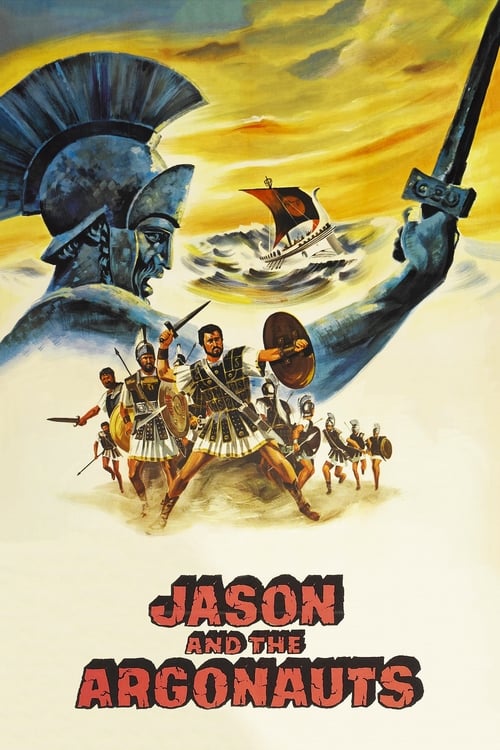
This classic film was produced by Charles H. Schneer, directed by Don Chaffey, and starring Todd Armstrong, while co-starring Nancy Kovack, Honor Blackman, and Gary Raymond. The film was produced by Charles H. Schneer, directed by Don Chaffey, and starring Todd Armstrong, while co-starring Nancy Kovack, Honor Blackman, and Gary Raymond. Although It was a box office failure at the cinema, it later found an audience on Television and was critically acclaimed.
The film’s score was composed by Bernard Hermann, Who had Partnered with Harryhausen on the 7th voyage of Sinbad in 1958, the 3 worlds of Gulliver in 1960, and mysterious island in 1961.

This creative team of Harryhausen, Sneer, and Herman collaborated on numerous Fantasy & sci-fi films from low-budget black and white B-movies such as 20 million miles to earth and technicolor marvels like the 7th voyage of Sinbad. Many other films followed, including First men on the moon, and the cowboy versus Dinosaurs film The Valley of Gwangi. They all worked together on two Sinbad sequels, the golden voyage of Sinbad and The Eye of the tiger. Their final collaboration was with the 1980s classic clash of the titans that was remade in the naughties.
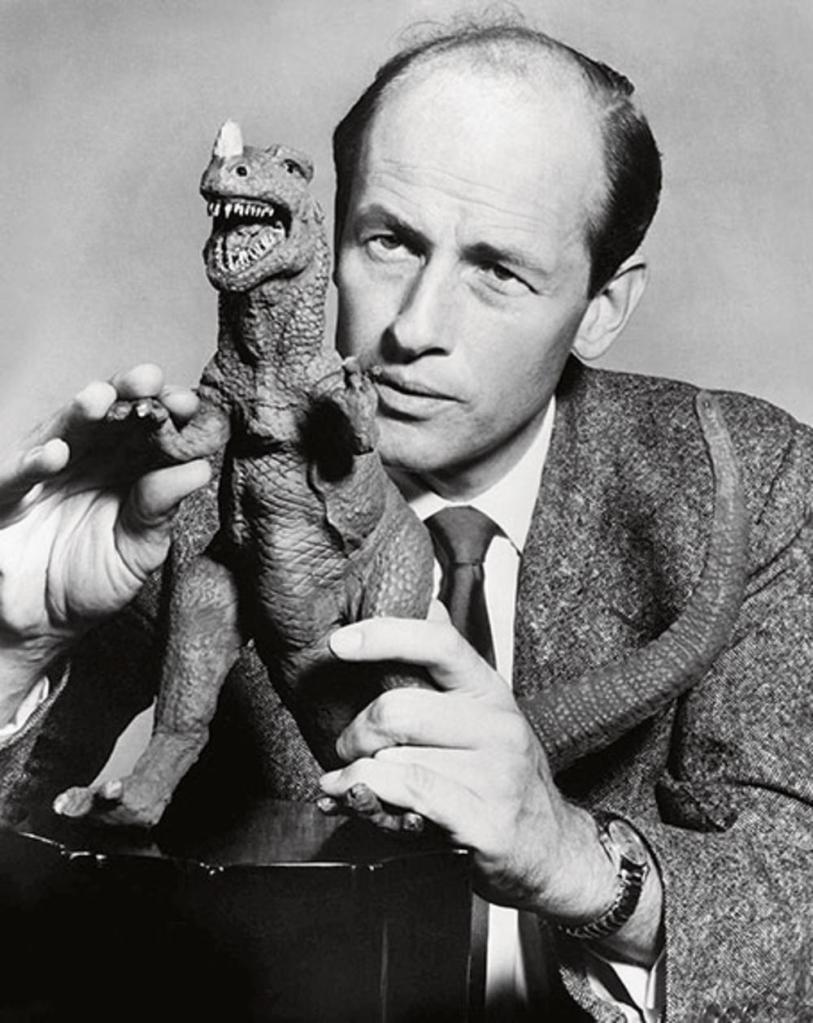
Harryhausen is quoted as saying that the success of their collaborations was ‘never agreeing’. -” Charles always had great sympathy for fantasy”. We had many disagreements, which brings up the old saying. – if two people think exactly alike, one of them is unnecessary.
Schneer died in Boca Raton, Florida, aged 88. He deserves to be remembered as one of the great pioneers of the genre.
– if two people think exactly alike, one of them is unnecessary.
Ray Harryhausen
What is the story about ?
Pelias usurps the throne of Thessaly, killing King Aristo, in the knowledge that one of the king’s children is destined to depose him. When he goes to the temple of Athena to slay the children, the goddess Hera warns Pelias to beware of the one sandaled man. That the child who will grow up to oppose him will also be the only man who can save his life in the future.
Twenty years pass, Jason, saves Pelias from drowning in a river but loses his sandal in the process. Pelias recognizes him as the child destined to overthrow him. The naive young hero informs Pelias of his intention to seek the Golden fleece and rally support for his claim to the throne. Pelias conceals his true identity and under the guise of a powerful noble supports Jason’s claim to the throne and encourages our hero to embark on this dangerous quest in the hope that it will lead to his death.
In a dream, Jason is summoned to Mount Olympus, where he converses with Zeus and the other gods. Zeus promises to answer Jason’s prayers five times, and Is told to sail to Colchis to find the Fleece.
Jason refuses the aid of the gods, vowing to accomplish the task without them. He sets out to find a ship and crew. He holds a tournament of games for all the men of Greece to compete for places among the crew. The ship is named the Argo after its shipbuilder Argus, and the crew is nicknamed the Argonauts.
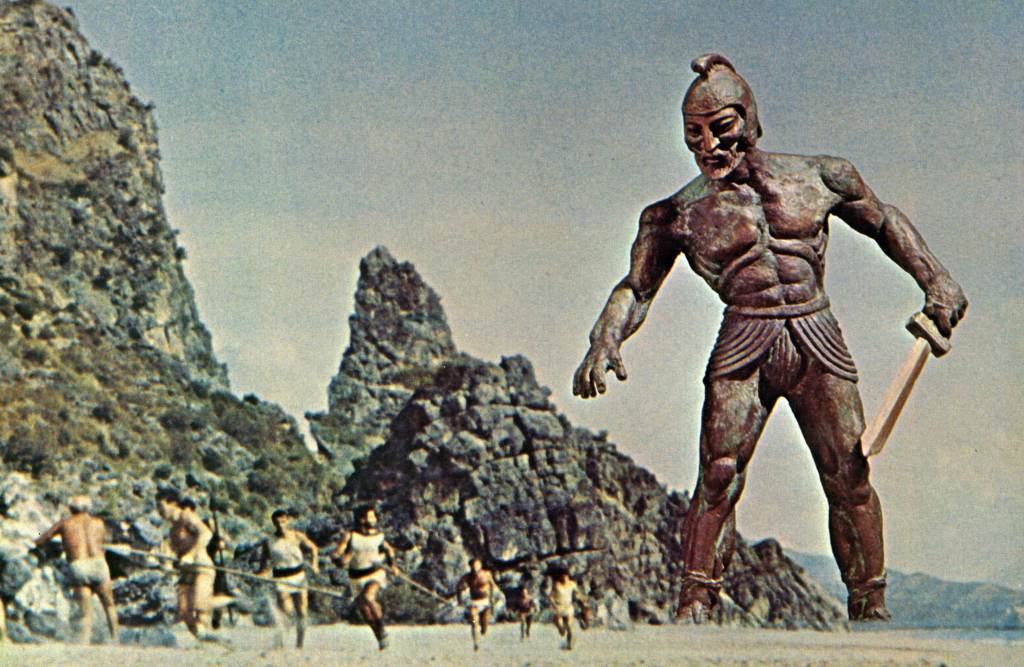
Many classic Greek heroes are among the crew, most notably Hercules and Acastus the son of Pelias , who is sent on a mission by his father to sabotage the voyage. The Argonauts sail to the land of Bronze and are attacked by the Giant Bronze statue Talos. Jason’s prayers to the gods for help in defeating the giant, who answer him by revealing to Jason the giant’s vulnerable spot or Achilles heel.
Jason continues his voyage to Phineas, who is blind and tormented by Harpies for misusing the gift of prophecy. The Argonauts capture and cage the Harpies and as a reward, Phineas reveals how to navigate the clashing rocks. He gives Jason a magical amulet that can be used to summon the sea god Triton.
After passing through the clashing rocks. The crew rescues a lone survivor from a shipwreck, a beautiful princess Medea. Upon reaching the lands of Colchis, Acastus challenges Jason’s authority as Captain and engages him in a duel. Jason overpowers him and throws Acastus overboard into the sea. The Argonauts land upon the shore and are invited as guests to visit King Aeëtes at his palace. Acastus has swum to shore and warned the king about Jason’s intention to steal the golden fleece.
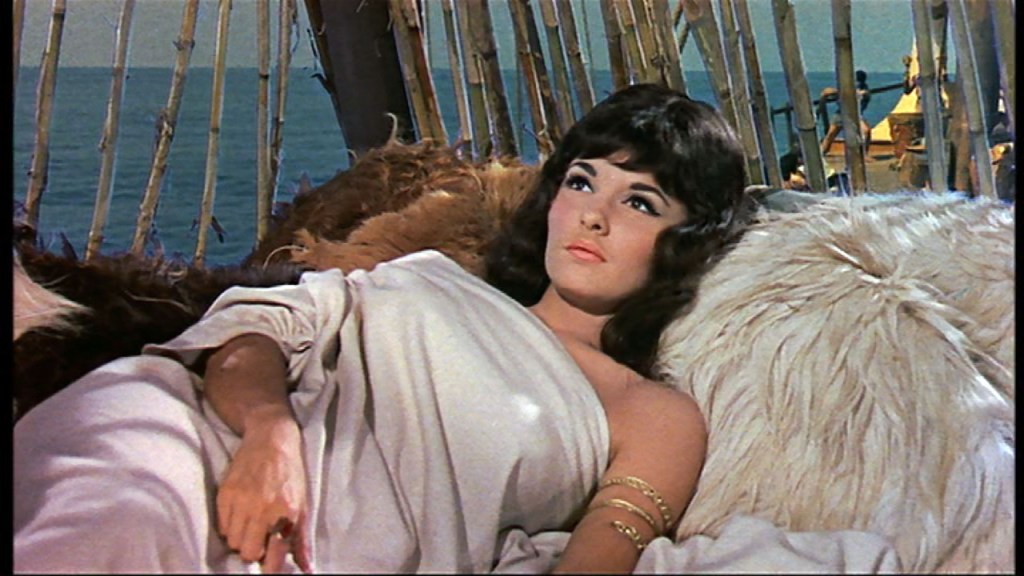
The king imprisons the Argonauts, but Medea offers to free them if they promise to take her back to Greece on the return voyage. Acastus steals the fleece but is killed by its guardian, the Hydra, Jason kills the monster. During the pursuit to the shore, an arrow strikes Medea. Jason uses the magic fleece to heal her wounds. Aeëtes uses the teeth of the dragon slain by Jason to summon an army of skeletons.
The “Children of the hydra”, emerge from the ground and the Argonauts were to fight them off while Medea escapes back to the ship with the fleece.
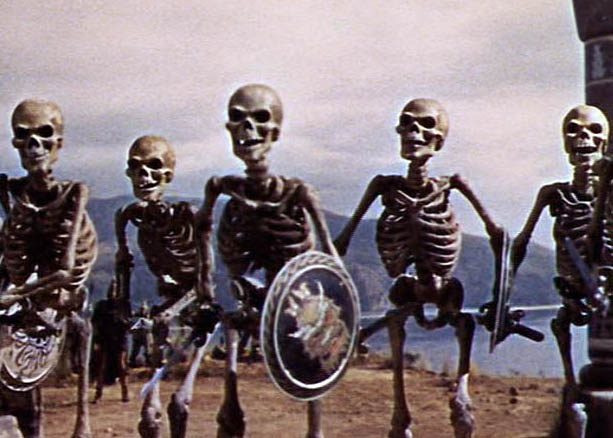
After defeating the skeletons, Jason returns to the ship and prepares to set sail back to Greece. The film ends with a possibility for a sequel that sadly never transpired. Today, it is considered a cult classic.
Todd Armstrong played Jason, but his voice was dubbed by Tim Turner along with Nancy Novak, who was also dubbed by Eva Haddon. Gary Raymond played Acastus and Nigel Green gives a brief but show-stealing performance as the larger-than-life Hercules.
THE MYTH
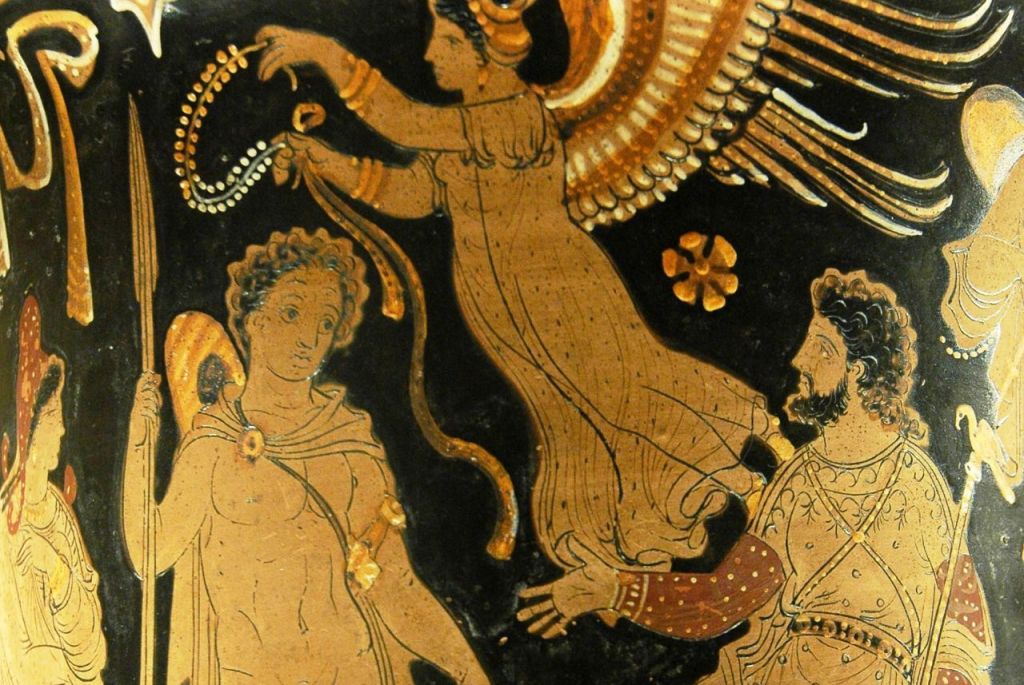
The film is loosely based on the Argonautica by Apollonius of Rhodes in late antiquity in Greece. It blends elements from several Greek myths and the works of Homer and Virgil. The myth is set in the Bronze Age of heroes. The story is a precursor to stories like Iliad. Homer’s tale is about Greek sailors sailing to Troy to plunder the city and retrieve the queen Helen of Sparta and return to their homelands with their haul of treasure and bride.(read Herodotus’ account of the origin of Troy myth, its bases in Rape of Europe in his histories and homers Iliad, ). The story was written down many years after Homer, but the myth itself is thought to be part of a much older oral tradition that predates Homer. The film adaptation of the myth is a classic hero’s journey adventure with a solid three-act structure (Departure, Ordeal, and Return).

The magical fleece in question serves as a MacGuffin that sets events in motion. Those who would like to learn more about the story can read this English translation of Apollonius Argonautica or Robert Graves’s excellent novel The golden fleece( a novel by the man who literally wrote the book of Greek myths). The budget for the film was estimated to be around three million dollars, which was a lot of money in 1963 for a fantasy film aimed at a young audience. The special effect’s creator Ray Harryhausen considered it his best work, and its influence on the fantasy genre is evident to this day. This is a film that has endured the test of time, and It’s still a treat for fans of the genre. While streamlined for a general audience, the Greek myth of the Argonauts voyage is elegantly told with exceptional production design and special effects. Every dollar is up there on the screen. The stop-motion effects add a dream-like quality to the monsters that are arguably more lifelike than inferior CGI creations of modern blockbusters. It’s hard to think of any action role-playing game that has not been influenced by this film. The countless times I have had to slay armies of skeletons and dragons in games like Skyrim, god of war, Dark souls, Diablo, and the like.
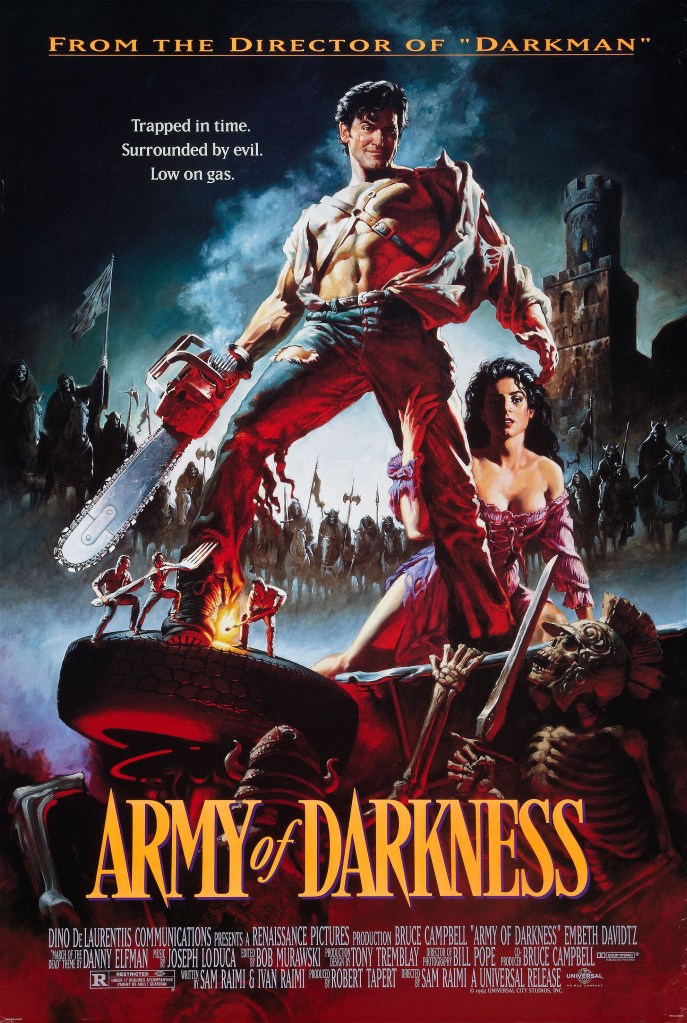
Countless modern movies such as Sam Ramis Army of the dead, Stephen Sommers’s 90s hit The Mummy also paid homage to this classic film. In an endless sea of remakes, I am amazed that Hollywood has not got around to remaking this classic film with all the modern technology at its disposal to tell a thrilling action-adventure film. I grew up with this film being shown regularly on television, and it’s one of those movies that kick-started a lifelong love for the fantasy genre. I highly recommend this to film buffs and hardcore fantasy fans. Immerse yourself in its old-school charms and delight in its practical magic. It’s also a great introduction to the world of Greek mythology and is able to inspire people to learn more about the ancient Greek world and culture.

 Fantasy : Swords and Sorcery